

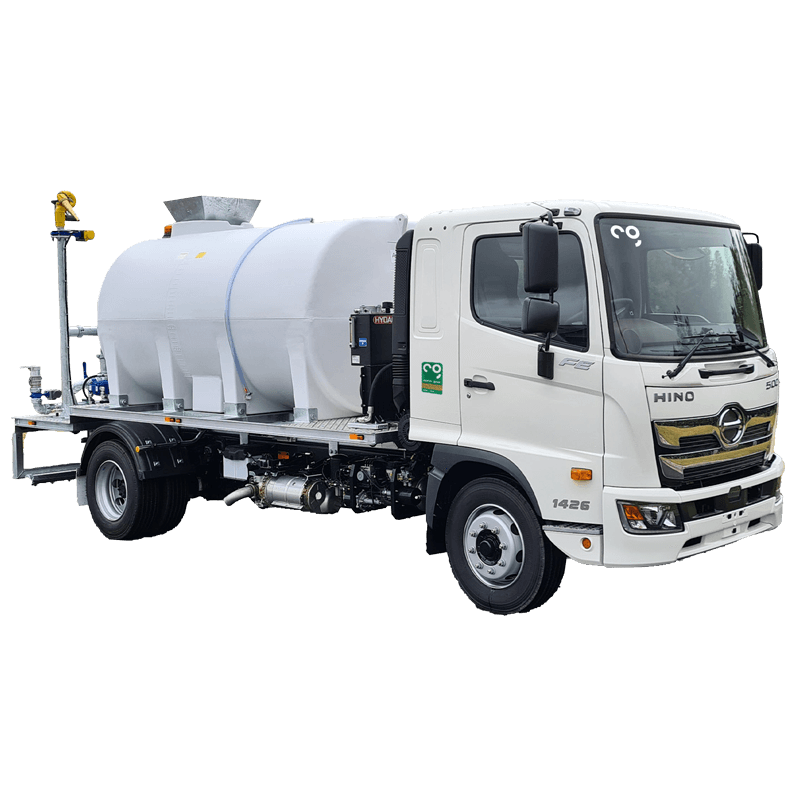
Wet season construction Queensland comes down to one thing: how well a site responds when conditions change.
Rain doesn’t shut projects down — unstable ground, failed access, and poor sequencing do. Across Brisbane and the Sunshine Coast, sites can shift from workable to unproductive within a few hours of heavy rainfall.
When that happens, crews deal with reduced ground strength, slower cycle times, and increasing risk of rework. The impact shows up quickly in lost productivity, rising costs, and pressure on timelines.
The sites that keep moving through wet conditions don’t rely on luck. They plan for ground behaviour, adjust machine use, and make early operational calls that protect both output and equipment.
Why wet season construction Queensland creates real operational risk
Rainfall across South East Queensland quickly shifts site conditions, but the real issue starts after the ground saturates.
Clay-heavy soils common across Brisbane and the Sunshine Coast retain moisture below the surface. Once saturated, they lose strength and respond poorly under machine load. From access through to compaction, that change affects how every part of the site performs under load.
WorkSafe Queensland highlights how environmental conditions can impact site safety and performance.
The operational impact shows up in three key areas.
Loss of production efficiency under load
As ground strength drops, rolling resistance increases. Operators reduce speed to maintain control, and machines require more power to move through soft ground.
Cycle times stretch as a result:
- trucks carry smaller loads
- haul routes become slower to navigate
- operators spend more time positioning machines safely
Across a full shift, that reduction in efficiency translates directly into lower output without any visible stoppage.
Rework from unstable ground conditions
Wet ground introduces uncertainty into every completed task.
Compaction becomes unreliable because moisture levels exceed optimal ranges. Even when surfaces appear stable, underlying layers often remain saturated and shift under load.
This leads to:
- deformation of trimmed surfaces
- failure of compacted areas
- movement of placed material
Crews then return to the same areas to correct earlier work. Material is moved again, machines run additional hours, and labour is spent redoing tasks that were already completed.
The cost isn’t immediate — it accumulates through duplicated effort across the job.
Haul route failure and bogging risk
Access degradation is one of the fastest ways a site loses productivity.
As machines move across saturated ground, ruts form and begin to hold water. Each additional pass deepens the problem, making routes progressively harder to use.
Eventually:
- haul paths slow down significantly
- machines begin to struggle for traction
- bogging becomes more likely
Recovery operations then interrupt workflow and introduce additional strain on equipment. Undercarriage components, hoses, and lower machine sections are exposed to wet, abrasive material during recovery.
What starts as minor access deterioration quickly becomes a site-wide constraint.
Why conditions don’t recover quickly in SEQ
One of the biggest challenges in wet season construction Queensland is how long conditions persist after rainfall.
Moisture trapped in clay-heavy soils doesn’t dissipate quickly. Surface drying can give the impression that the site is ready, but subsurface layers often remain unstable.
When work resumes too early:
- machines break through the surface layer
- ground conditions deteriorate again
- previously completed work fails
This creates a cycle where sites appear workable but continue to underperform.
What high-performing sites do differently in wet conditions
Sites that maintain output through wet season construction Queensland don’t rely on reacting to problems. They adjust operations early, based on how ground conditions will behave — not how they look at the surface.
The difference shows up in how they manage access, sequencing, and machine utilisation.
They stabilise access before it becomes a problem
Access failure is one of the earliest productivity killers on wet sites.
Instead of waiting for haul routes to break down, crews establish stable access points early. Entry and exit zones are reinforced, and haul paths are defined before heavy rainfall hits.
This reduces:
- rut formation
- water pooling in traffic areas
- uncontrolled machine movement across soft ground
Once access is lost, the entire site slows down. High-performing crews treat access as a priority from day one.
They adjust haul strategy as ground conditions change
As ground strength drops, haul efficiency becomes harder to maintain.
Rather than pushing full production through deteriorating routes, crews modify how material moves across the site.
This typically includes:
- reducing haul distances by repositioning stockpiles
- switching to smaller, more frequent loads
- using excavators to place material directly where trucks can’t reach
These adjustments maintain movement while reducing stress on both machines and ground surfaces.
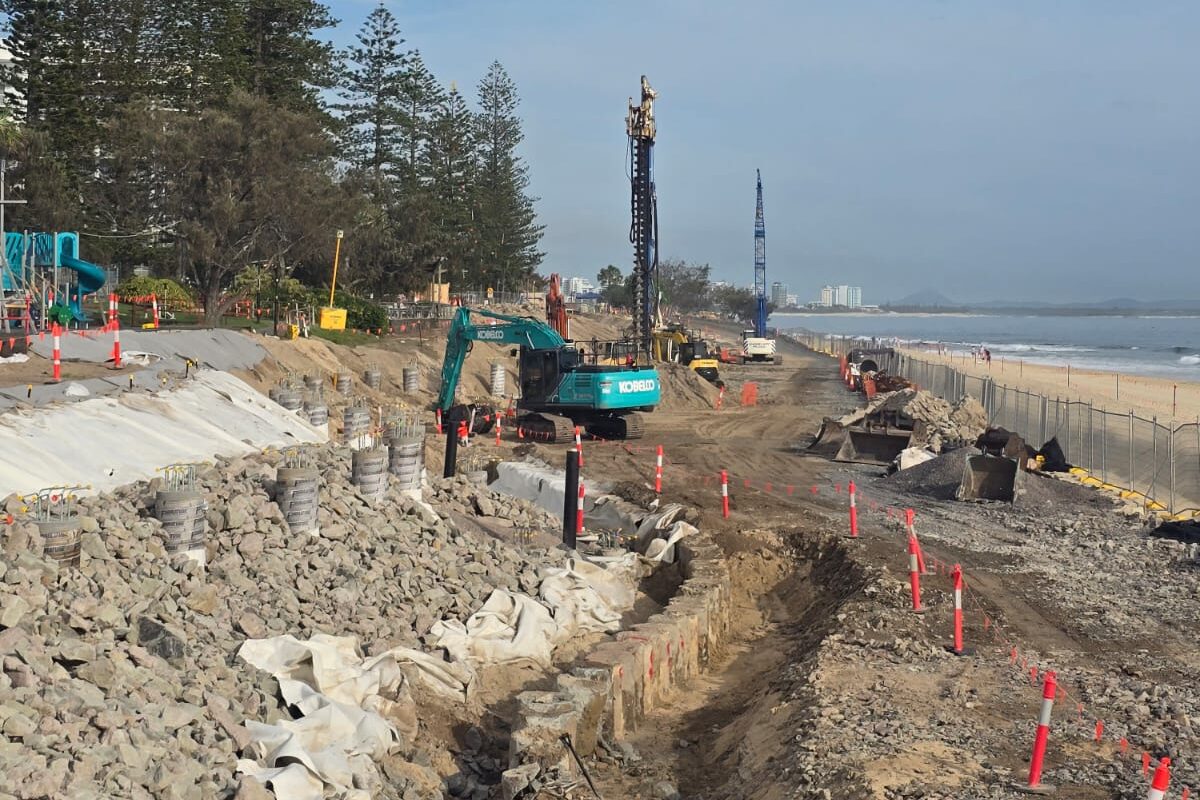
They sequence work around ground performance
Wet conditions force a shift in how work is prioritised.
Instead of continuing bulk earthworks on unstable ground, crews redirect effort toward:
- drainage works
- access stabilisation
- preparation of future work zones
Once ground conditions improve, bulk operations resume without requiring rework.
This approach protects both productivity and finished work quality.
They protect compaction outcomes
Compaction is one of the first areas impacted by excess moisture.
Experienced crews monitor moisture levels and avoid compacting material that won’t hold. When conditions exceed acceptable limits, they shift focus rather than forcing progress.
By addressing drainage first and returning to compaction later, they avoid:
- failed density results
- surface deformation
- repeated compaction passes
This reduces rework and ensures compliance with project specifications.
They keep machines working, even when production slows
Idle machines are a significant hidden cost during wet periods.
Instead of standing equipment down, crews reassign machines to tasks that remain viable under current conditions.
These often include:
- drainage installation
- trimming and finishing work
- stockpile management
- site preparation
Maintaining utilisation helps control costs while waiting for conditions to stabilise.
Equipment selection that keeps sites moving in wet conditions
Strategy alone isn’t enough. The machines on site determine how effectively crews can adapt.
Wet ground conditions place different demands on plant, particularly in terms of traction, ground pressure, and reliability.
Tracked machines reduce ground pressure and maintain traction
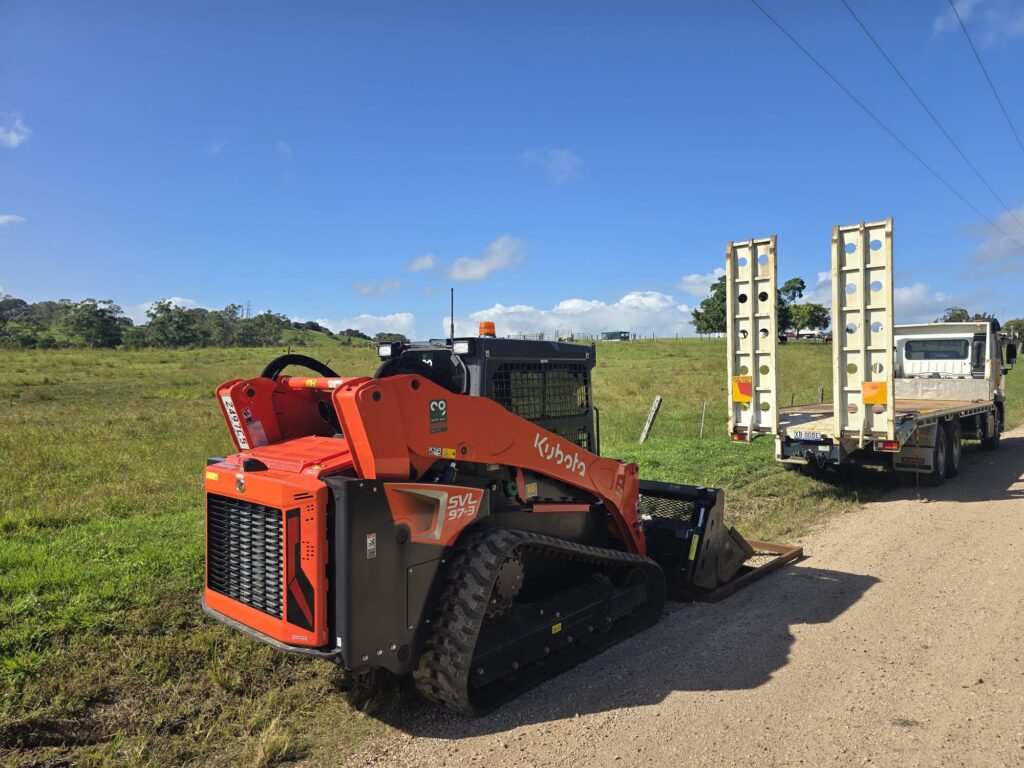
Tracked loaders and excavators distribute machine weight over a larger surface area. This reduces ground pressure and allows machines to operate more effectively on saturated ground.
On sites where wheeled machines begin to struggle, tracked equipment maintains mobility and reduces surface damage.
This is why many contractors increase reliance on tracked machines during earthmoving wet weather operations.
Excavators maintain workflow when access breaks down
When haul routes become unreliable, excavators often take on a larger role.
They allow crews to:
- place material directly
- reduce dependence on truck movement
- maintain progress in constrained areas
This flexibility is critical when working through changing ground conditions.
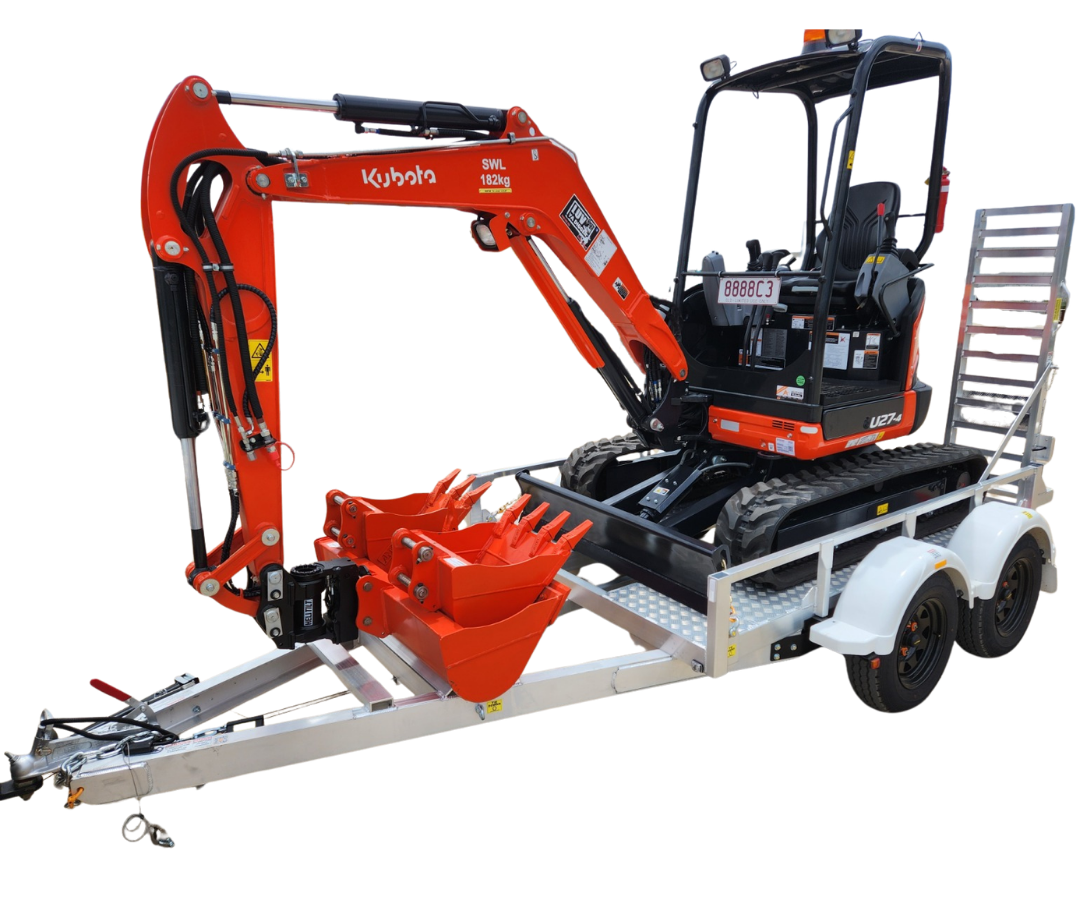
Contractors sourcing excavator hire Brisbane typically prioritise machines that can handle variable site conditions without compromising performance.
Haul equipment must match ground conditions
In wet environments, haul equipment needs to balance capacity with ground impact.
Machines that apply excessive ground pressure can accelerate route degradation, while those with better weight distribution and traction maintain more consistent performance.
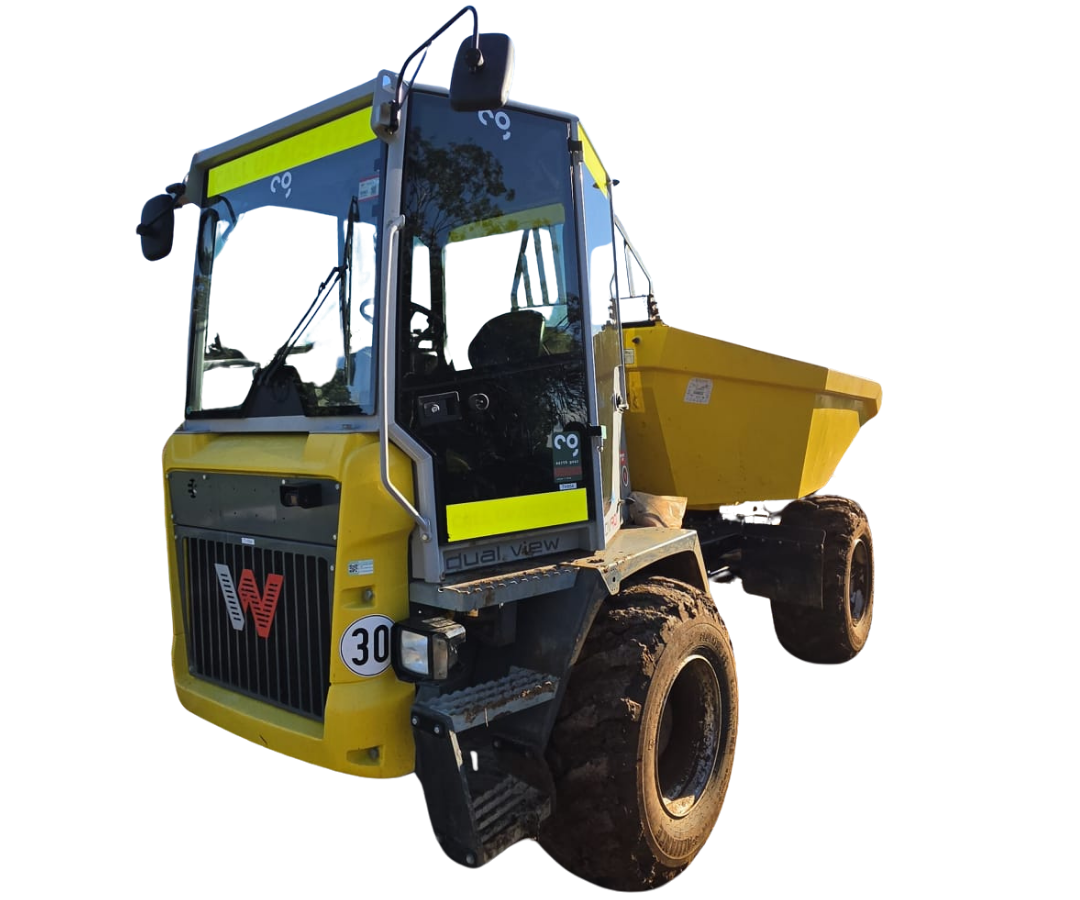
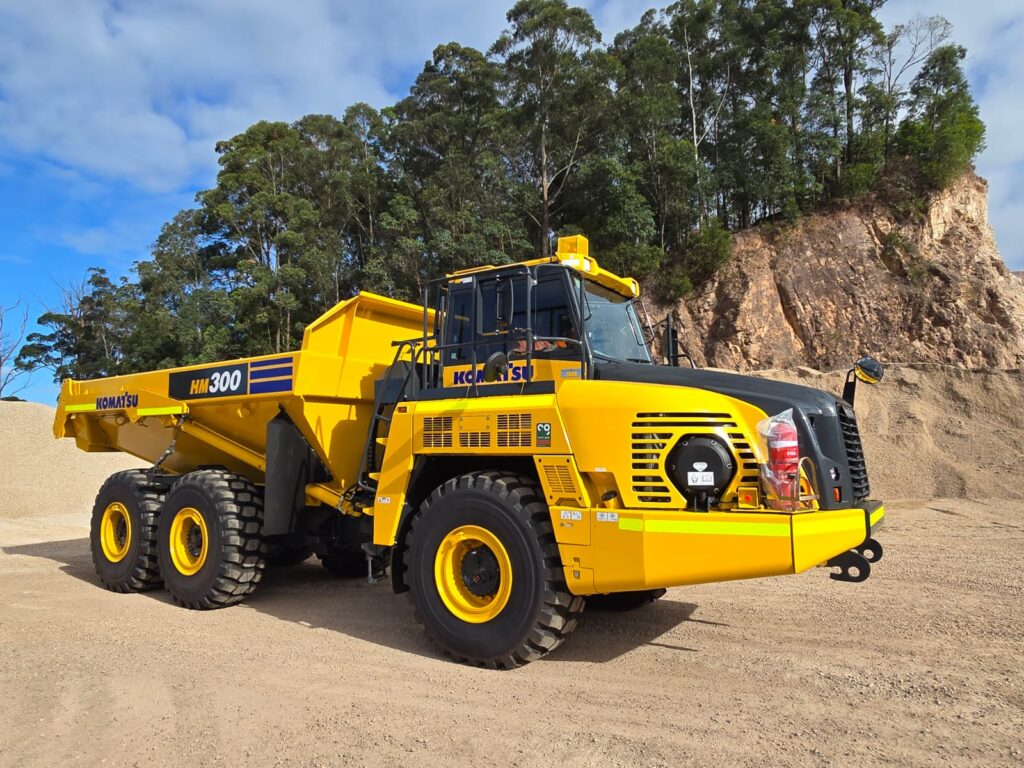
Contractors looking at site dumper hire Sunshine Coast often consider how machines will perform over extended wet periods, not just in ideal conditions.
Attachments improve control and reduce unnecessary movement
Attachments reduce unnecessary machine movement and give operators more control over material handling in unstable ground.
For example:
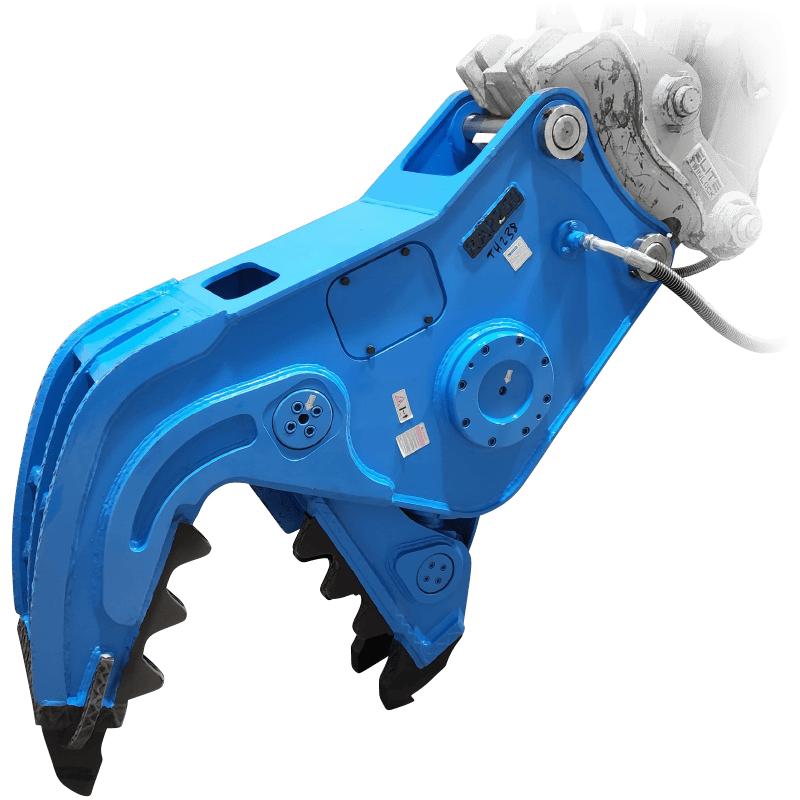
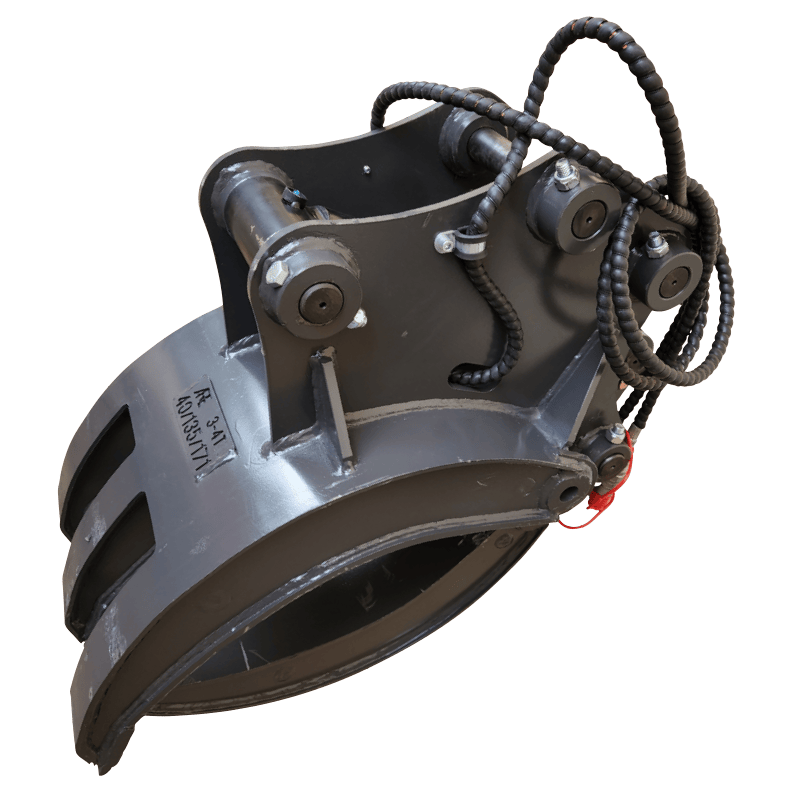
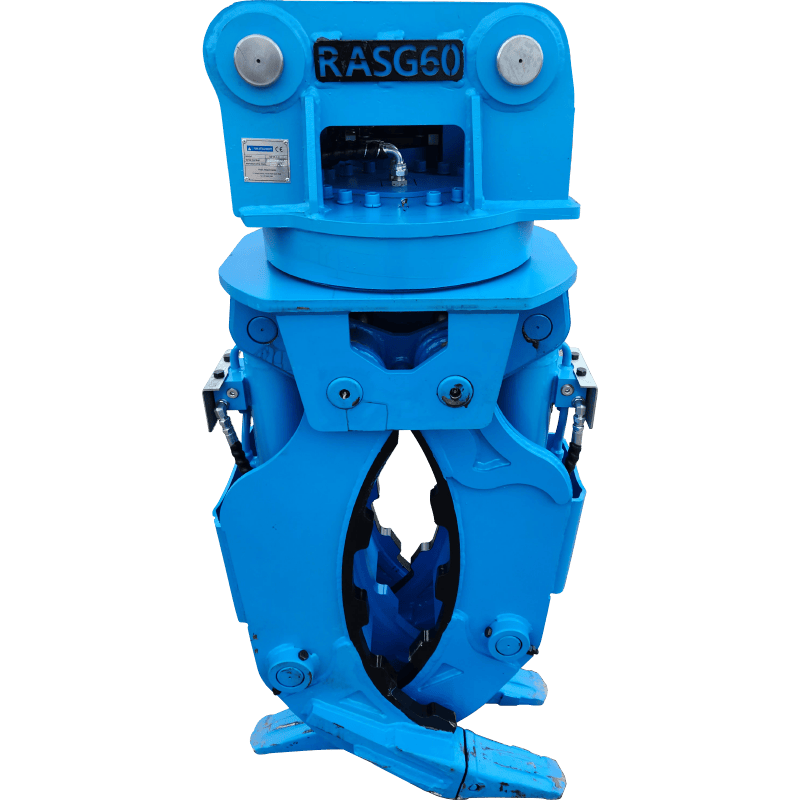
- Hydraulic grabs allow precise material placement without excessive repositioning. Read more on how hydraulic grabs make demolition and sorting safer and faster.
- Rockbreakers maintain excavation progress in tough ground without repeated machine movement. Explore rockbreakers for hire.
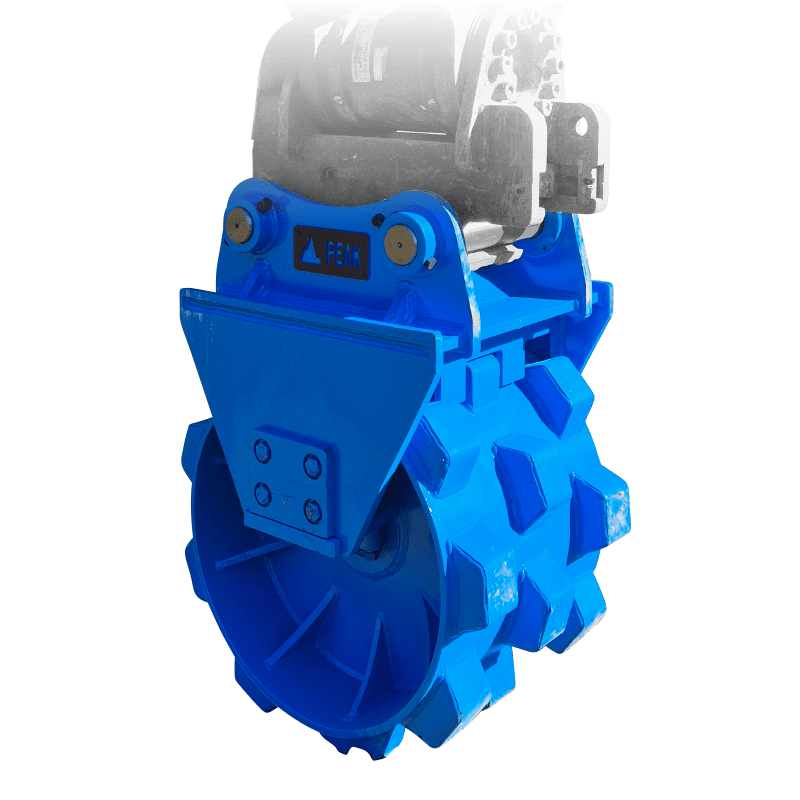
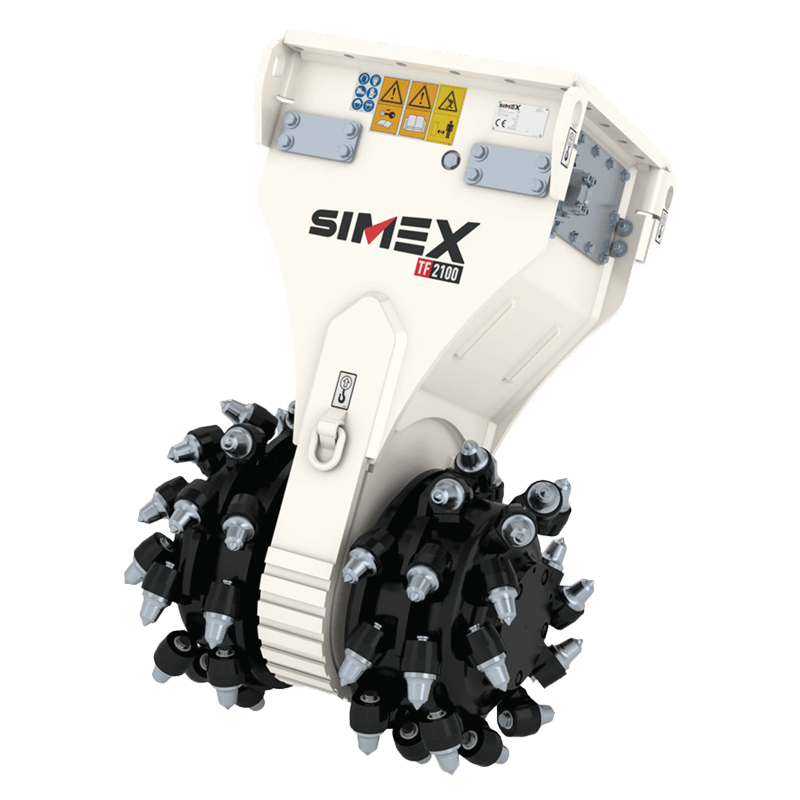
- Specialised attachments improve overall productivity in difficult conditions. View earth gear’s PEAK attachments for hire.
Reducing unnecessary movement helps preserve ground conditions and maintain efficiency.
Why fleet condition matters more in wet conditions
In wet conditions, compromised seals and worn components allow water ingress into hydraulic and electrical systems, increasing the likelihood of failure under load.
This typically shows up as:
- hydraulic leaks
- electrical faults
- reduced performance under load
Late-model machines with low hours perform more consistently because critical systems remain intact and properly sealed.
As outlined in this blog, reliable equipment reduces downtime risk and supports consistent output, even when conditions are challenging.
Supporting wet season construction Queensland projects
At earth gear, we supply civil contractors across Brisbane, the Sunshine Coast, and Northern NSW with equipment suited to demanding conditions.
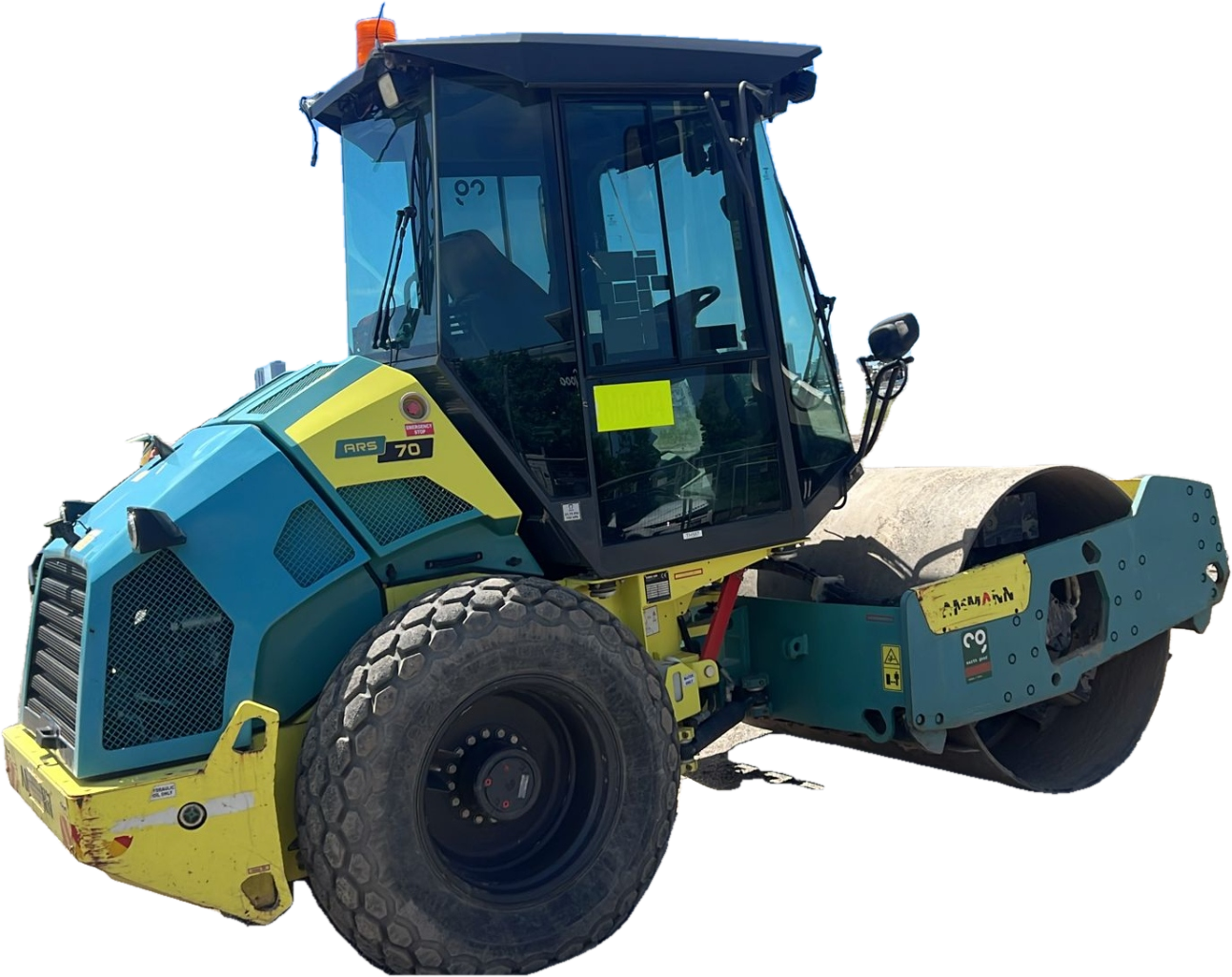
Our fleet includes excavators, tracked loaders, rollers, and haul equipment, supported by a wide range of attachments that help crews maintain control when ground conditions deteriorate.
We also understand that wet season work changes quickly. Site conditions can shift within hours, and delays often come from waiting on the right equipment or setup.
That’s why we focus on:
- maintaining a near-new, low-hour fleet
- ensuring attachments are available when needed
- providing responsive support across multiple project locations
When machines and attachments arrive ready for site, crews spend less time adjusting and more time working.
Learn more about how earth gear supplies equipment for civil infrastructure projects across Queensland and Northern NSW.
Productivity comes from control, not conditions
Wet season construction in Queensland is a test of how well projects are managed.
Sites that respond early, adjust strategy, and use the right equipment maintain progress. Others lose time through rework, inefficiency, and equipment strain.
The difference comes down to decisions made before conditions worsen.
And on civil projects, those decisions determine whether the job keeps moving — or slows down.