

Coastal jobs look straightforward on paper until coastal construction equipment corrosion starts eating into uptime. Salt in the air doesn’t just “rust things.” It attacks the exact components that keep modern plant productive: electrical connectors, hydraulic sealing surfaces, cooling stacks, and every pin joint that lives in sand and slurry.
For our Sunshine Coast and Northern NSW clients, we see corrosion show up as downtime, rework, and schedule drag. Therefore, we treat salt exposure like any other high-cost site risk: we plan controls, we resource them, and we select gear that won’t crumble under the conditions.
If you run coastal civil programs and you want reliable plant performance, you need two things: a clear view of what salt damages and why it gets expensive, plus a hire partner who backs uptime with fleet condition and support. That’s where we fit in.
Why “salt air” hits coastal plant harder than inland sites
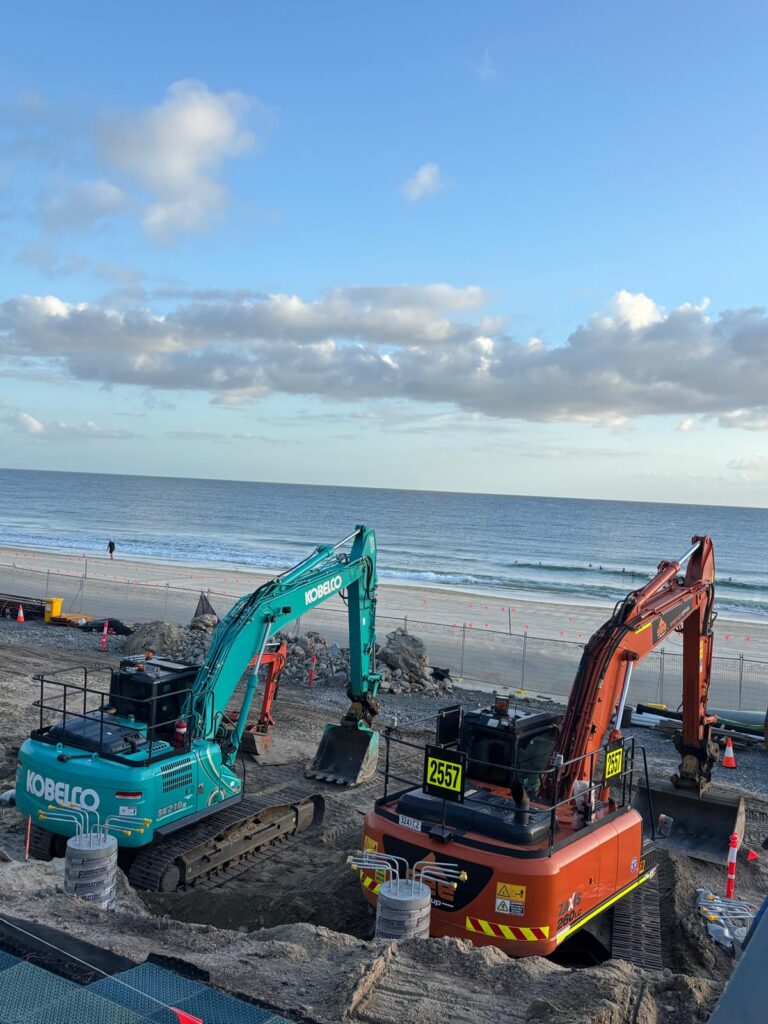
Salt doesn’t land on plant as a neat layer you can just wipe off. Wind carries sea spray and salt aerosols, then humidity and overnight dew keep surfaces damp long enough for corrosion to accelerate.
When the weather turns, exposure spikes.
The bureau of meteorology issues Coastal Hazard Warnings for abnormally high tides and damaging surf that can flood low-lying areas and damage coastal infrastructure. Those events also throw saltwater and spray further inland than crews expect. We treat those warnings as an “exposure escalator,” not just a beach issue. You can read the BoM warning framework here: severe weather and coastal hazards.
Salt becomes a reliability problem because it pairs with two other coastal constants:
- wet/dry cycling: moisture keeps chlorides active, then the sun bakes residue into seams and connectors
- sand abrasion: sand strips coatings and seals, then salt moves straight onto bare metal
As a result, the plant doesn’t just look rough. It starts losing hours.
What salt damages first and why the cost stacks up fast
Coastal corrosion turns expensive when it hits systems that drive availability, safety, and fault-free operation. We see the same failure patterns across brands because chloride exposure targets the same weak points.
Electrical and controls: small corrosion, big downtime
Salt settles into connectors, plugs, and harness junctions. Then moisture bridges contacts and creates intermittent faults.
That matters because modern machines don’t “limp along” the way old iron did. A sensor fault can trigger derates, put a machine into a protection mode, or force you into troubleshooting while the crew waits.
Even worse, intermittent faults burn time. You lose hours chasing a problem that disappears as the connector dries.
Hydraulics: corrosion starts at sealing surfaces
Salt and sand attack cylinder rods, couplers, and fittings. Once corrosion pits a rod surface or damages a seal contact area, the leak risk rises.
Leaks don’t just cost oil. They cost:
- cleanup time
- environmental controls and reporting
- schedule impacts when you isolate equipment
On coastal sites, crews also work around drainage lines, wet sand, and saturated subgrades more often. That exposure keeps hydraulic components wet longer, which increases the corrosion load.
Cooling stacks and airflow: salt turns into overheating risk
Salt residue collects on radiator fins and condenser surfaces. Then dust sticks to it. Airflow drops, cooling efficiency falls, and the machine runs hotter under the same load.
Overheating becomes a productivity killer in summer and a reliability issue year-round. That’s why we push disciplined cleaning and inspection routines and why we like fleets that stay “tight” and clean at low hours.
Pins, bushings, and undercarriage: abrasion plus salt equals accelerated wear
Every excavator and tracked machine relies on tight, greased interfaces. Sand works like grinding compound. Salt keeps those surfaces wet and corrosive.
When that wear accelerates:
- pins loosen
- bushings oval out
- attachments rattle and lose precision
- operators compensate with technique, then productivity drops
That’s real cost in production hours, not just workshop bills.
Attachments: your production edge becomes your maintenance burden
Attachments work where the environment hits hardest: demolition dust, wet sand, tidal soils, and abrasive spoil.
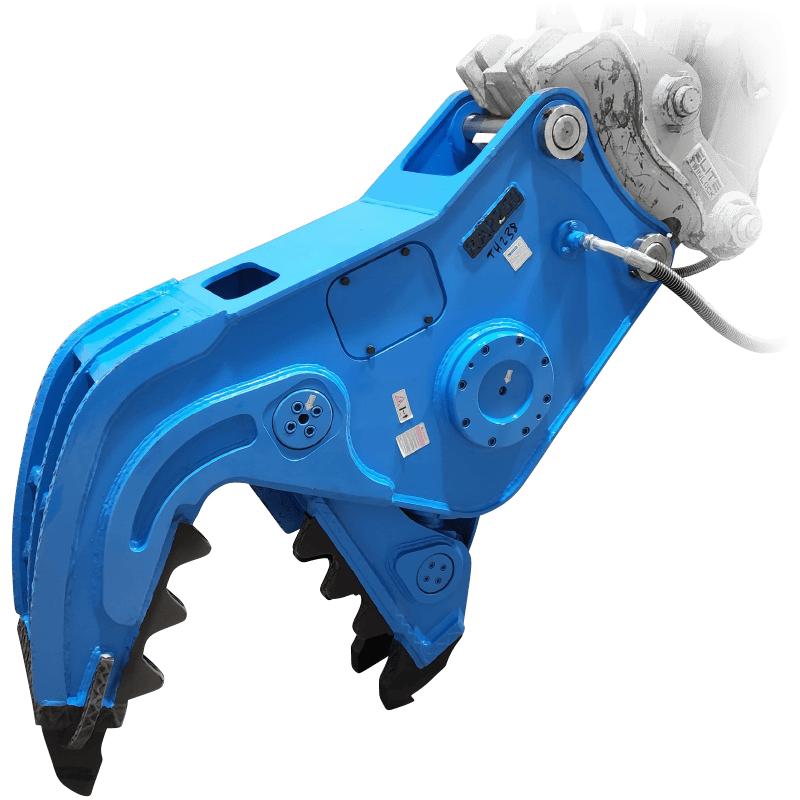
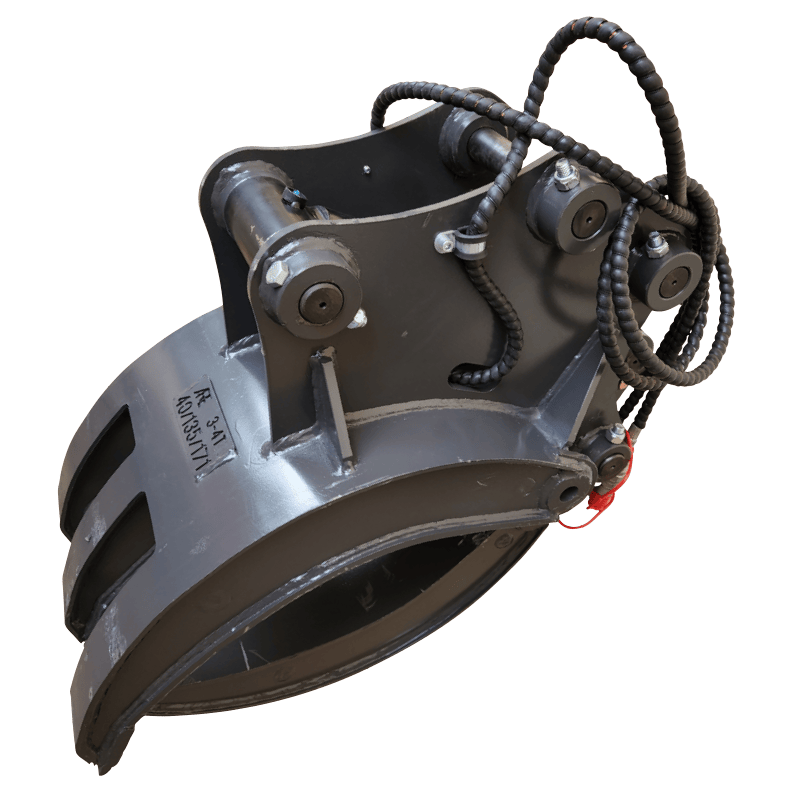
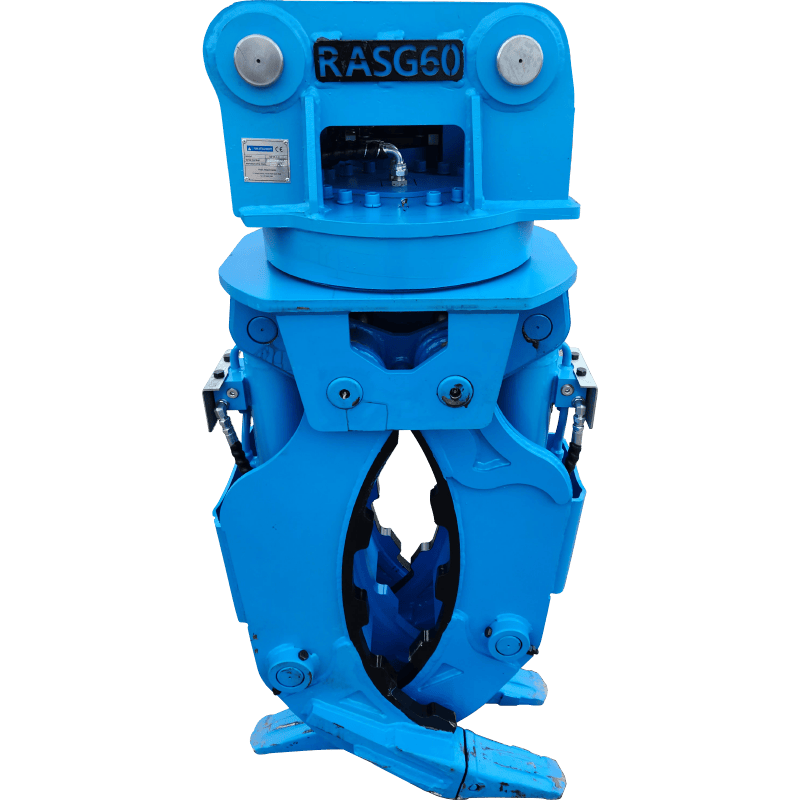
If you rely on specialist tools—like hydraulic grabs for sorting and cleanup, or hydraulic rockbreakers to keep excavation moving—then coastal corrosion can hit your most valuable productivity multipliers first.
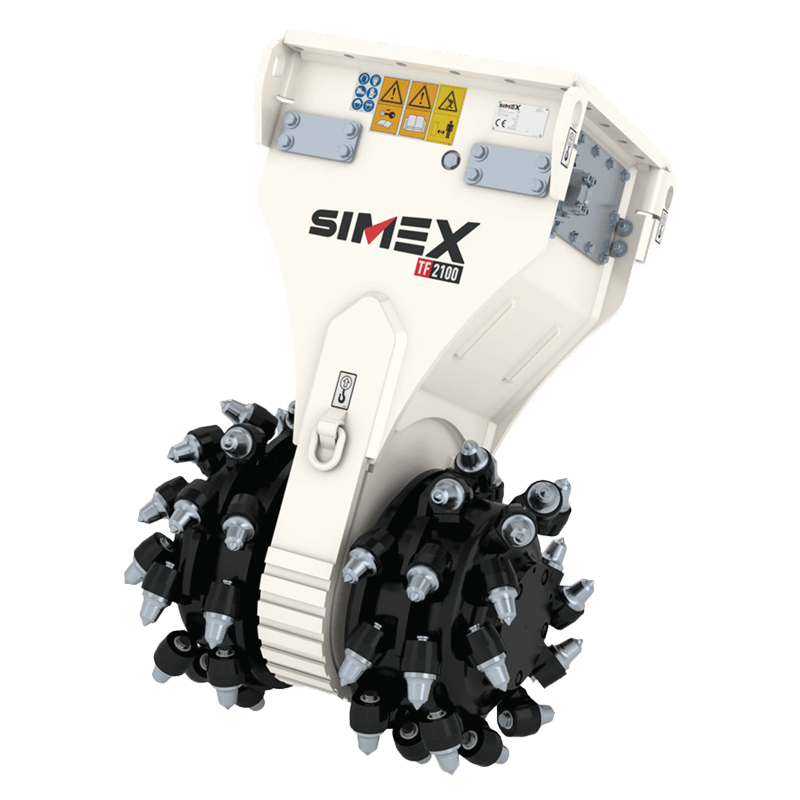
We also see contractors run precision tooling in coastal infrastructure scopes. When you bring in specialist options like twin headers, you want predictable uptime, not corrosion-driven stoppages.
Why excavators often cop the worst of coastal exposure
Contractors often ask us which plant suffers most on coastal jobs. We don’t answer with brand preferences. We answer with exposure mechanics.
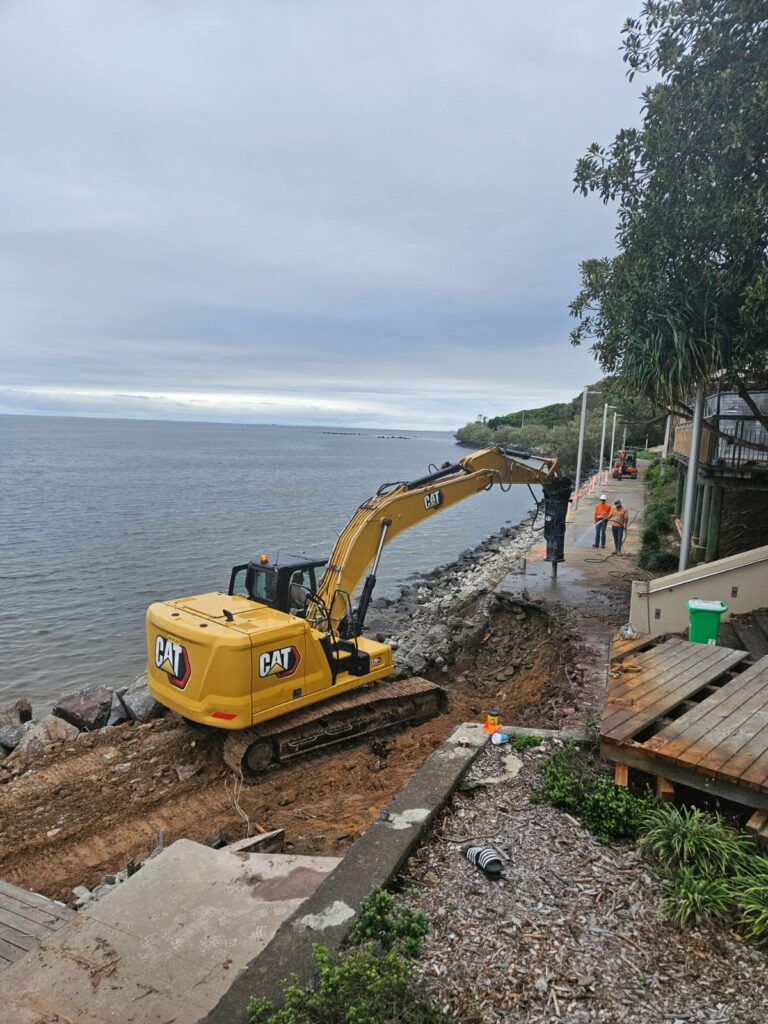
Excavators usually face higher coastal corrosion risk because they sit at the center of three exposure drivers:
- They work in wet zones
They cut drains, bench batters, work around services, and handle saturated spoil. Those tasks keep undercarriages and lower frames in wet, salty material longer. - They carry more moving interfaces
Every pin joint, linkage, and quick hitch interface creates a corrosion-and-wear point. Sand and salt find those points fast. - They lead the cycle time
When your main excavator goes down, the whole chain stops: trucks wait, compaction waits, crews idle, and schedules slide.
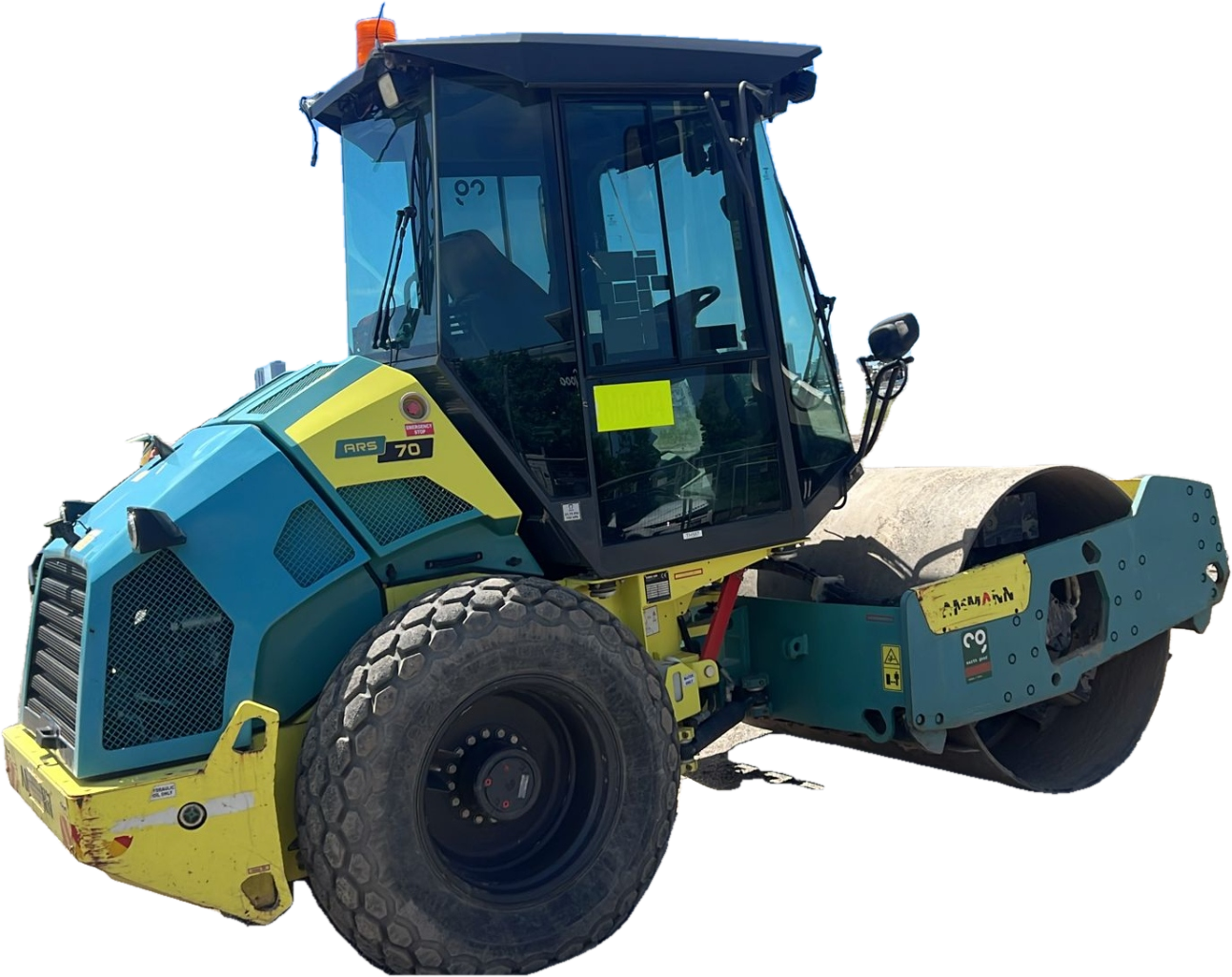
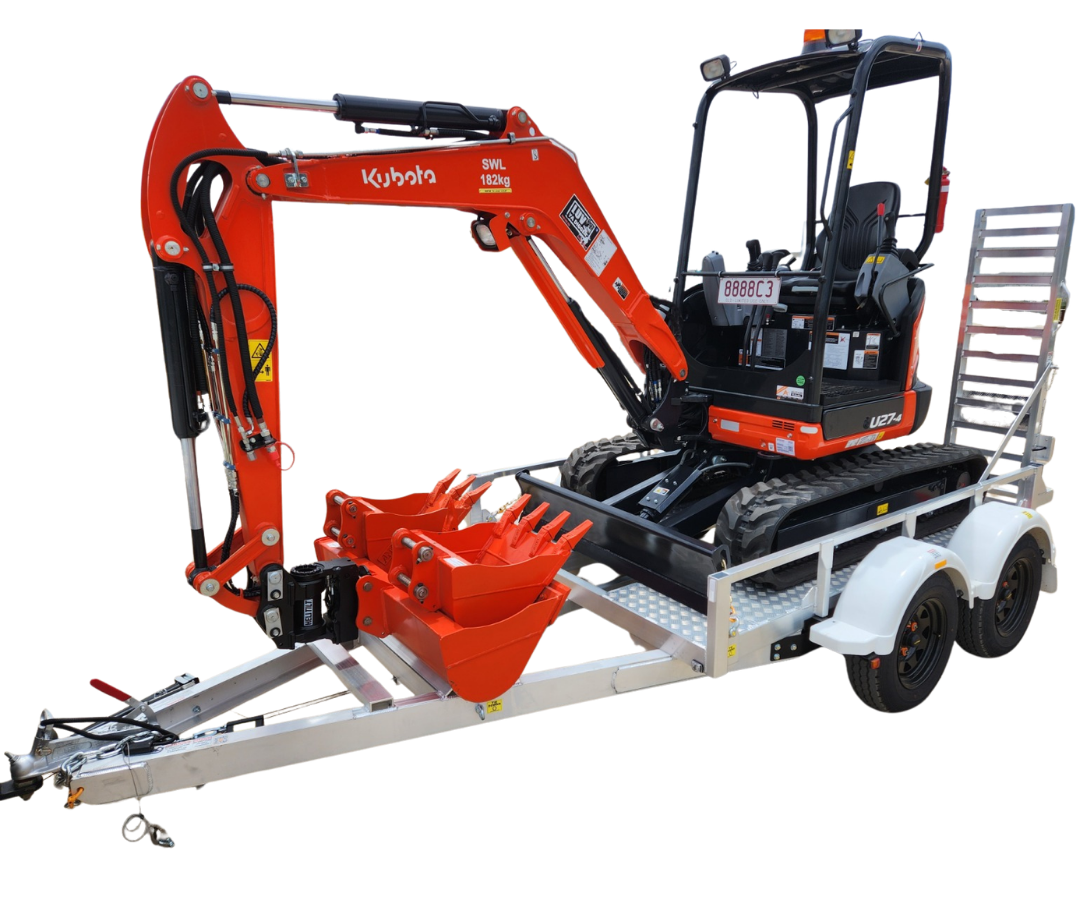
Therefore, selecting a coastal-ready excavator isn’t about “bigger is better.” It’s about condition, sealing integrity, clean cooling, and electrical reliability. If you want to review options quickly, start with our excavators for hire across Brisbane and the Sunshine Coast and match the machine to your exposure profile.
What coastal crews do differently to keep plant reliable
Contractors who regularly work along the Sunshine Coast and Northern NSW understand that coastal exposure is not something you “solve once.” They manage it through practical controls that reduce salt accumulation and limit corrosion exposure across machines and attachments.
The most reliable sites tend to apply simple, repeatable processes rather than relying on reactive fixes after problems appear.
Below are some of the operational controls experienced coastal crews typically implement.
Build a washdown plan that matches exposure
Corrosion management starts with removing salt before it has time to accumulate.
Salt particles settle onto machines during operation. When left in place, they attract moisture and begin breaking down protective coatings, electrical contacts, and metal surfaces.
Regular freshwater washdowns reduce chloride buildup and slow the corrosion process significantly.
Many coastal sites schedule washdowns based on two triggers:
- End-of-shift rinses for machines operating in exposed coastal zones
- Event-based rinses after heavy surf, storm tides, or salt spray events
To make this practical, contractors usually resource washdowns properly rather than treating them as an occasional task.
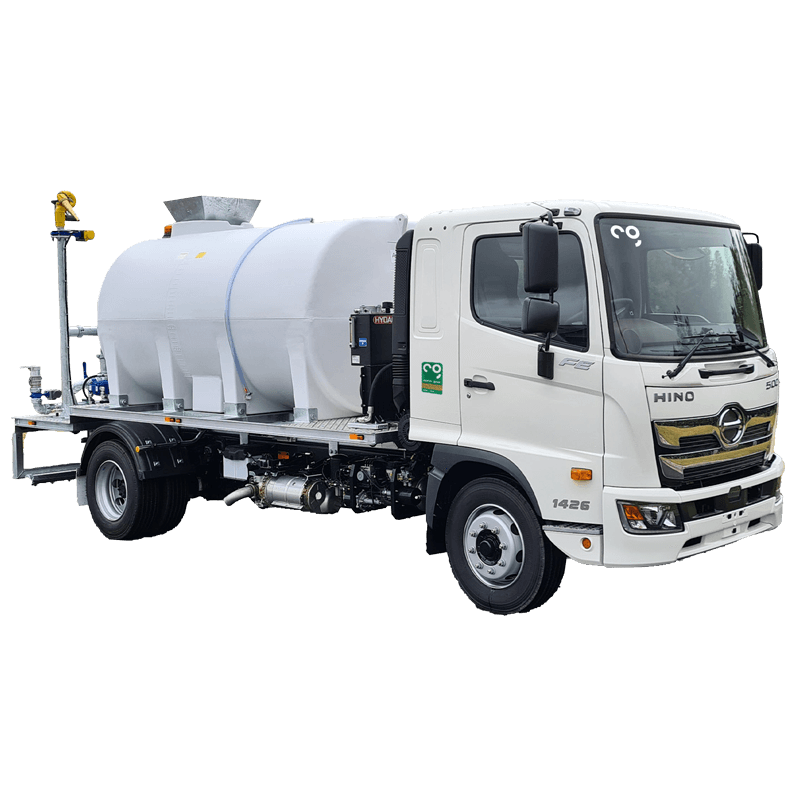
For example, many projects include water trucks or carts as part of the plant mix, ensuring crews have sufficient supply for rinse-downs as well as dust suppression.
When crews use high-pressure systems, they also follow appropriate safety controls. Safe Work Australia outlines key considerations in its guidance on high-pressure water jetting hazards.
Stop sand and salt slurry from packing into plant
Soft sand access creates two challenges on coastal civil sites:
- bogging risk
- increased corrosion exposure
When machines bog in coastal areas, undercarriages and lower machine components often sit in wet, salty slurry. That mixture accelerates corrosion around components that are difficult to inspect, including:
- undercarriage hardware
- frame sections
- hose routing points
- electrical connectors near ground level
Repeated bog recoveries also increase wear on tracks, rollers, and drive components.
Experienced site supervisors often reduce this risk by planning access routes early in the project.
Solutions typically include:
- temporary access matting
- steel plates or stabilised haul routes
- controlled entry and exit points
Planning these controls early prevents machines from churning coastal sand into every seam and cavity.
Plan Coastal Work Around BoM Coastal Hazard Escalation
Another strategy used on coastal projects is adjusting operations based on weather and tidal forecasts.
The Bureau of Meteorology explains that storm surge events can raise sea levels above normal tide levels, particularly when surge coincides with high tide.
That combination can push saltwater inland and increase airborne salt spray across construction sites.
Experienced coastal crews treat these forecast periods as operational risks rather than surprises.
Typical responses include:
- relocating plant away from low-lying areas
- increasing washdown frequency
- protecting stored machines
- staging equipment for faster recovery if access deteriorates
By planning around forecast coastal hazards, crews reduce unplanned exposure that would otherwise accelerate corrosion.
Tighten inspections where corrosion actually starts
Coastal inspections usually focus on the components most vulnerable to corrosion rather than applying generic machine checks.
Common inspection points include:
- electrical connector blocks and sensor plugs
- battery terminals and isolators
- hydraulic cylinder rods after sand exposure
- radiator and condenser cooling stacks
- attachment couplers and pin assemblies
Early detection matters. Small corrosion issues can be resolved quickly when identified early but can lead to downtime if left unchecked.
This is another reason why many contractors prefer late-model, well-maintained machines on coastal work. Modern equipment with properly maintained components tends to tolerate coastal exposure far better than ageing plant.
Reliable fleet condition is one of the reasons many contractors working in coastal Queensland prioritise newer equipment — something we discuss further in our article on near-new, low-hour earthmoving machines for dry hire.
Fleet condition matters more on coastal projects than most crews admit
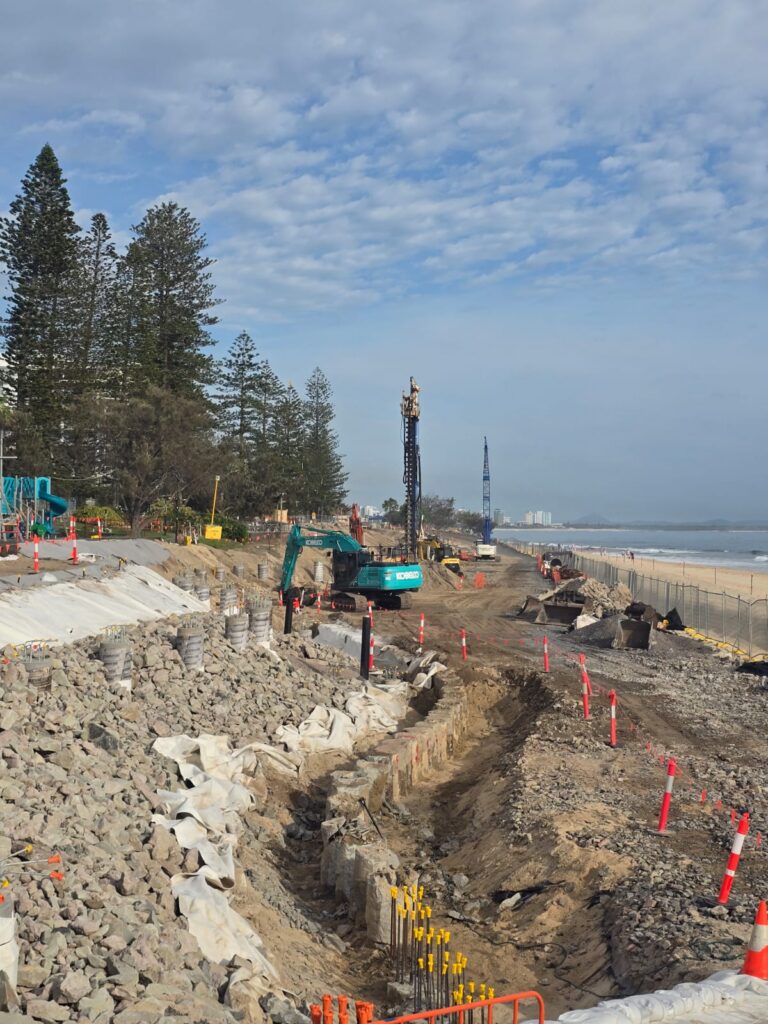
Coastal conditions punish tired gear. When protective coatings thin, seals age, and harnesses lose integrity, salt finds a path.
That’s why we put so much weight on fleet condition.
We run a near-new, late-model fleet with an average machine age of about one year, and we back uptime with commitments that matter on live civil programs: a 4-hour breakdown promise and a 1-hour delivery promise. You can see those commitments in near-new civil-spec plant and the earth gear breakdown promise.
On coastal jobs, this advantage compounds because newer machines typically arrive with tighter sealing integrity, fresher coatings, cleaner cooling systems, and fewer hidden condition issues.
Local support also matters. Coastal corrosion problems don’t wait for a convenient time. If you run work on the Sunshine Coast, our local capability and response speed can make the difference between a nuisance fault and a full day of lost production. We talk about that operational reality in why sunshine coast contractors prefer local dry hire equipment.
How earth gear’s dry hire equipment fits into your coastal reliability strategy
We don’t help coastal reliability by “dropping off a machine.” We help by supporting a complete plant plan that matches exposure and scope.
Here’s what that looks like in practice:
- production plant that stays reliable (late-model, low-hour where it matters most)
- support gear that makes controls real (water carts, site setup gear, the right attachments)
- service response that protects schedules (fast fix/replace approach on breakdowns)
When you deliver larger civil and infrastructure scopes across Queensland and Northern NSW, you need consistent hire support and predictable availability. We cover that in how we support civil infrastructure projects across qld and northern nsw.
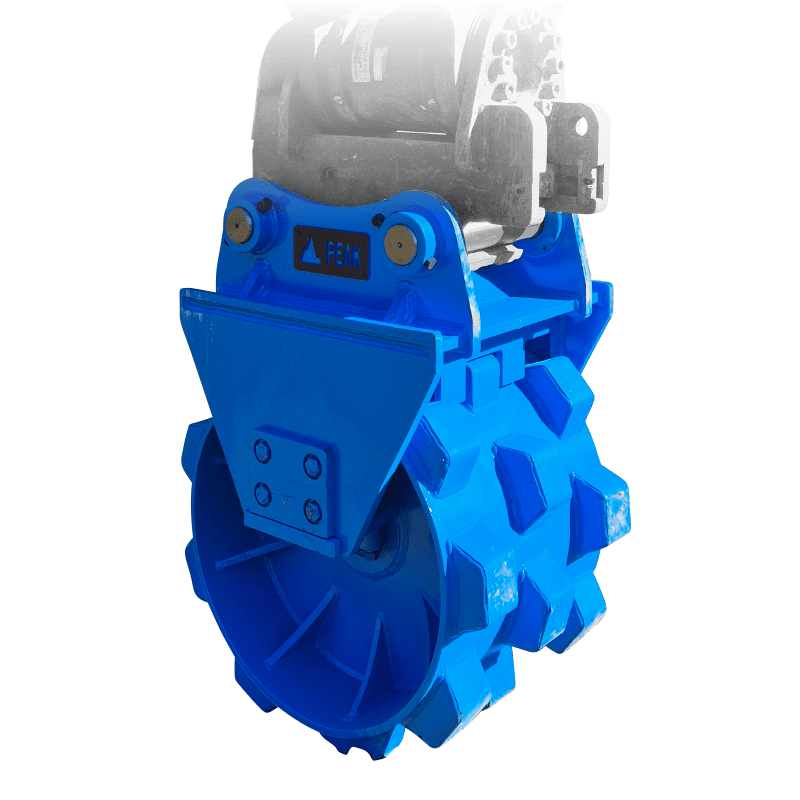
We also see contractors lift coastal productivity by matching attachments to the real job, not the “default bucket.” If you want a straight productivity lens, start with boosting on-site productivity with the right earth gear attachment. Coastal environments penalise workarounds, so the right attachment often reduces heat, wear, and exposure time.
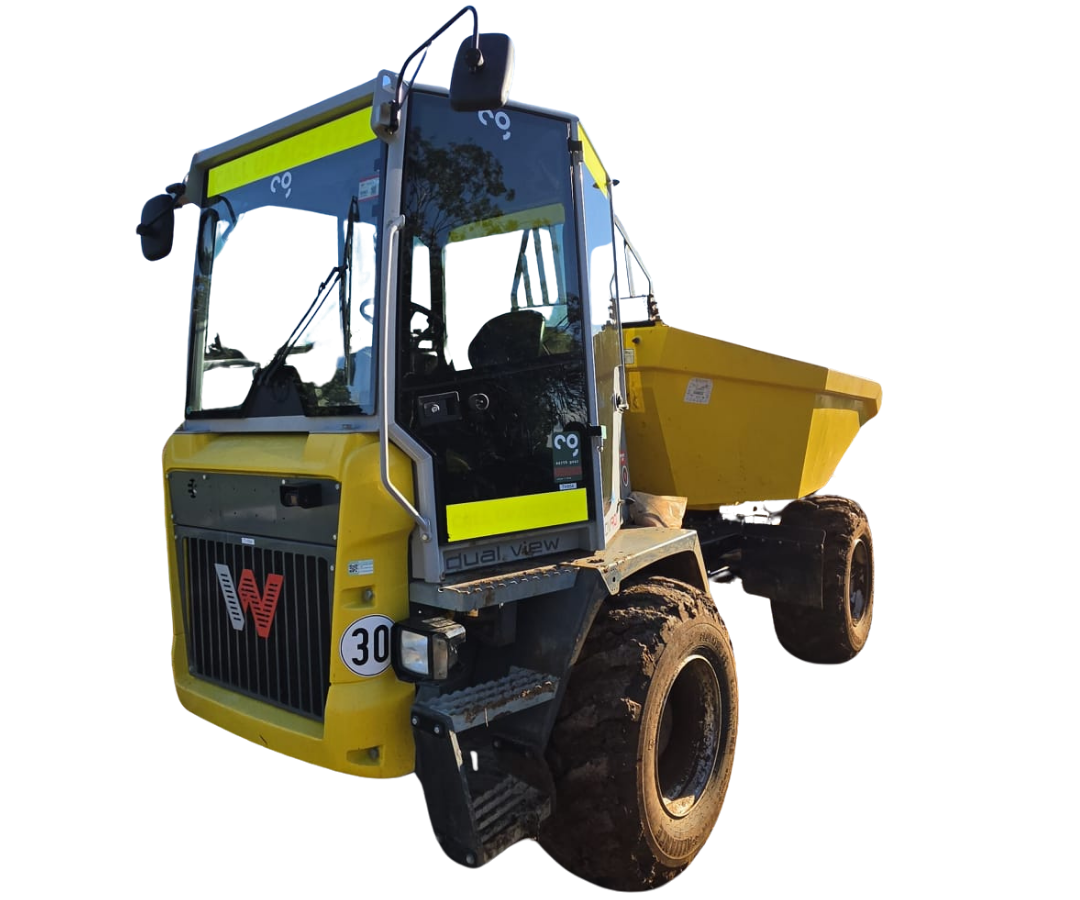
Finally, if your coastal program leans on haul efficiency, we often pair reliable excavation with the right hauling units. Our overview of the benefits of hydrema dump trucks for earthmoving projects explains why contractors choose that class of truck for demanding site movement.
If you want us to help you spec a coastal-ready hire package, we can move quickly. Get a fast dry-hire quote for your Brisbane or Sunshine Coast site today!