

On civil projects, equipment supply is rarely just a procurement line item. It is a delivery-risk decision.
A machine that arrives late, breaks down without a replacement path, turns up without the right attachment, or gets held at the gate because the documentation is not ready does not only affect the plant budget. It affects crew utilisation, sequencing, subcontractor coordination, QA hold points, float, and potentially the critical path.
That is why experienced contractors are increasingly assessing equipment partners the same way principals assess contractors: capability, reliability, fleet depth, compliance readiness, response process, financial stability, and proven delivery under pressure.
The day rate still matters. But on a constrained program, the better question is: what happens when something does not go to plan?
Equipment supply is one of the controllable delay risks
Delays are never caused by one factor in isolation. Labour availability, design changes, procurement, weather, access constraints and approvals all play their part. But equipment-related disruption is one of the risks contractors can reduce before mobilisation.
A review of construction literature lists equipment delays and plant shortage among the common causes of project delay, alongside labour shortages, material shortages and planning issues. Infrastructure Australia’s 2024 Industry Confidence Survey similarly flagged construction equipment supply, alongside steel, timber and concrete, as a live risk to project delivery.
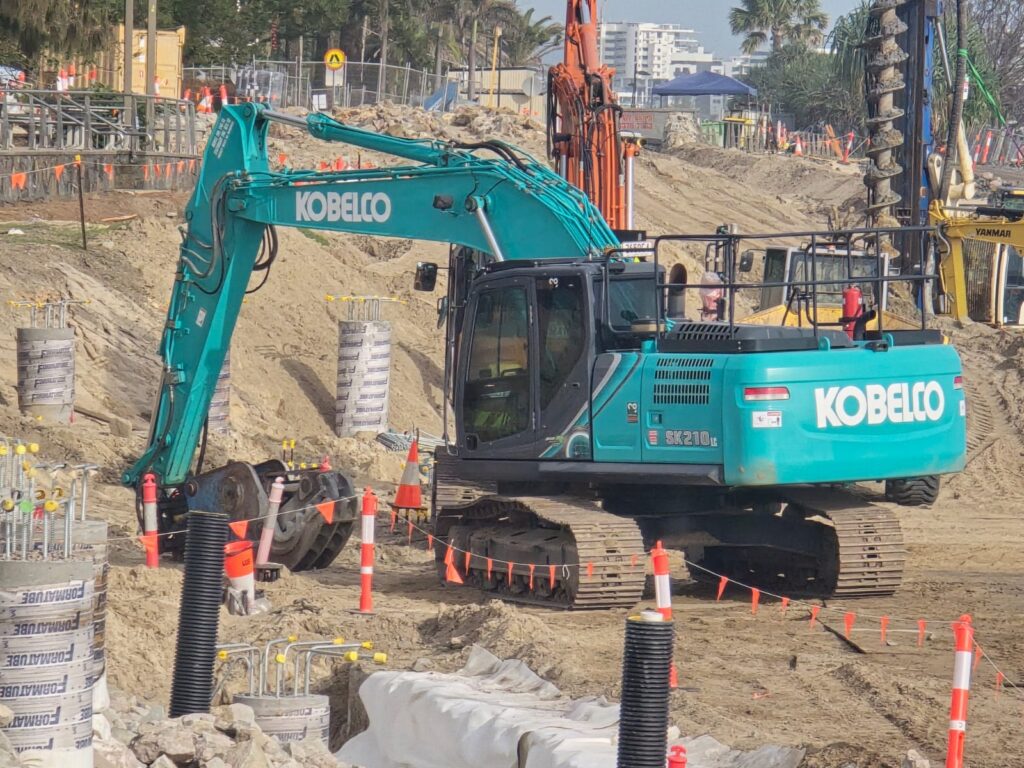
That matters because plant issues rarely stay contained. A delayed excavator may hold up bulk earthworks. A missing attachment may slow demolition, trenching or rock work. A machine down on the wrong day may push crews, traffic control, survey, haulage and follow-on trades out of sequence.
The lesson is simple: equipment supply should be planned as part of the delivery strategy, not left as a last-minute buying exercise.
Prequalify your equipment partner before the project needs them
Civil contractors are already used to formal prequalification. The Austroads National Prequalification System assesses contractors on technical capability, financial capacity, management systems and past performance. Queensland’s Department of Transport and Main Roads also maintains contractor prequalification systems for civil road and bridge construction contracts.
That same discipline should flow down to plant suppliers.
A practical supplier prequalification process should go beyond simply checking availability. It should confirm whether the supplier can support the project through mobilisation, production, breakdowns, documentation requests, scope changes and demobilisation.
Before committing to a long-term or multi-site hire arrangement, contractors should be asking:
- Is the fleet owned, controlled and maintained by the supplier, or brokered through third parties?
- What is the average age and hour profile of the machines being supplied?
- What documentation travels with each machine before mobilisation?
- What is the breakdown response commitment, and is it in writing?
- When does the supplier repair, and when do they replace?
- Can the supplier support multiple machines and attachments at the same time?
- Are account terms, purchase orders and invoicing processes compatible with the contractor’s procurement workflow?
These are not administrative details. They determine how quickly a project can recover when something goes wrong.
Treat fleet depth as a risk-control measure
A supplier with one available machine may solve a short-term availability problem. A supplier with fleet depth can support the delivery plan.
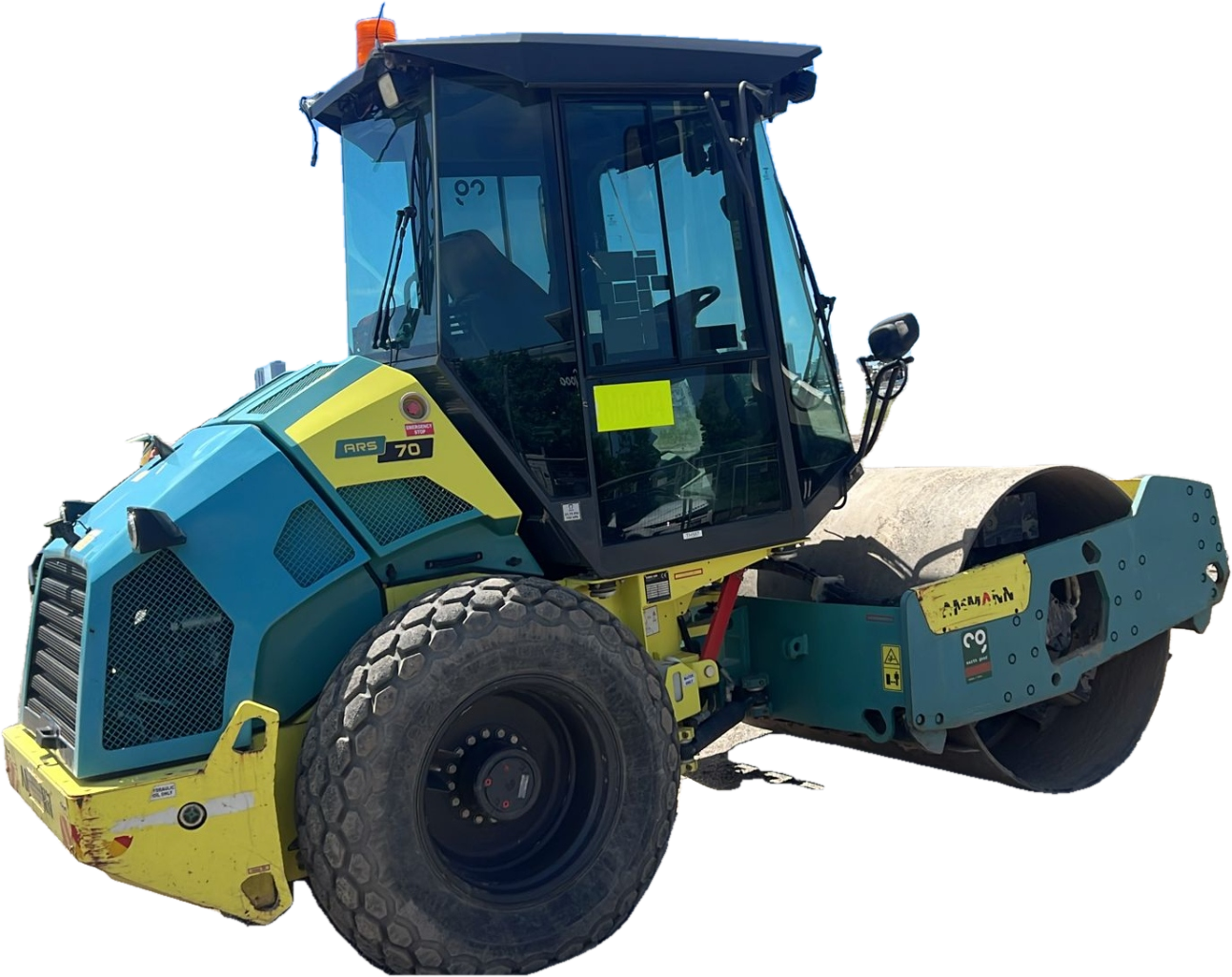
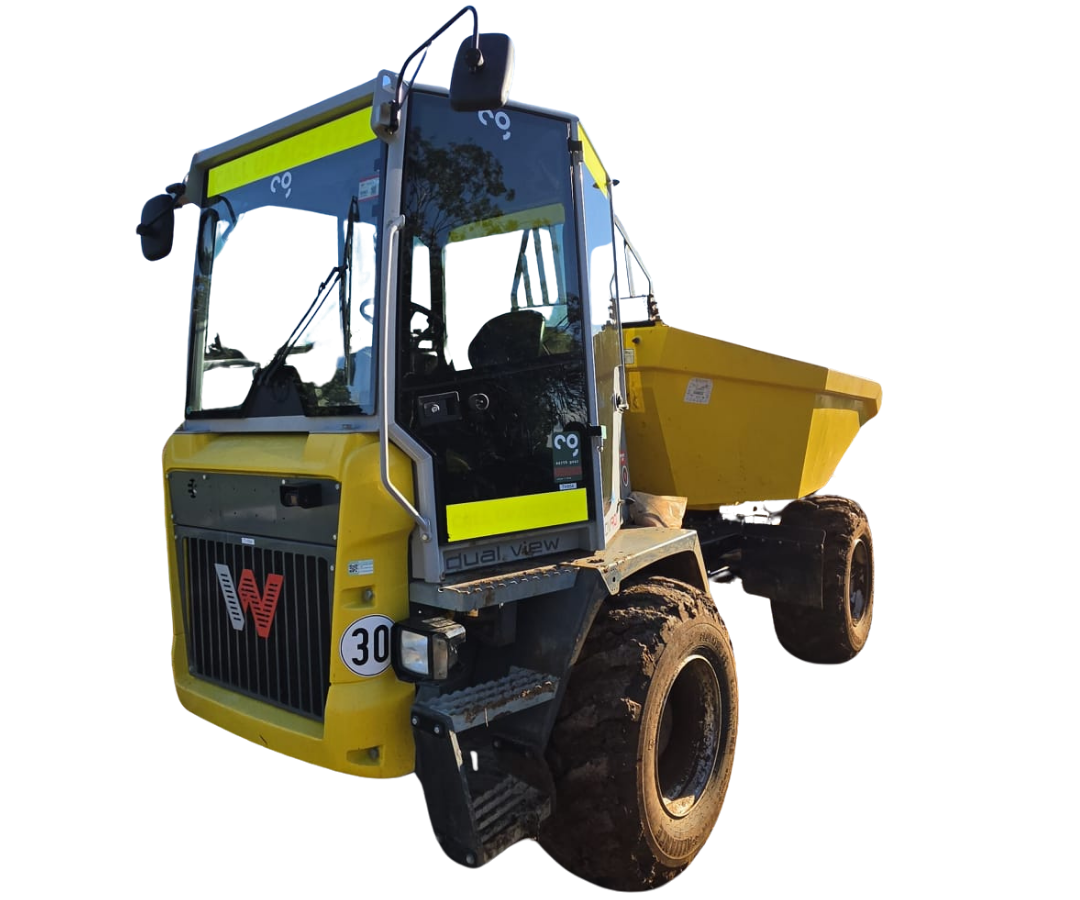
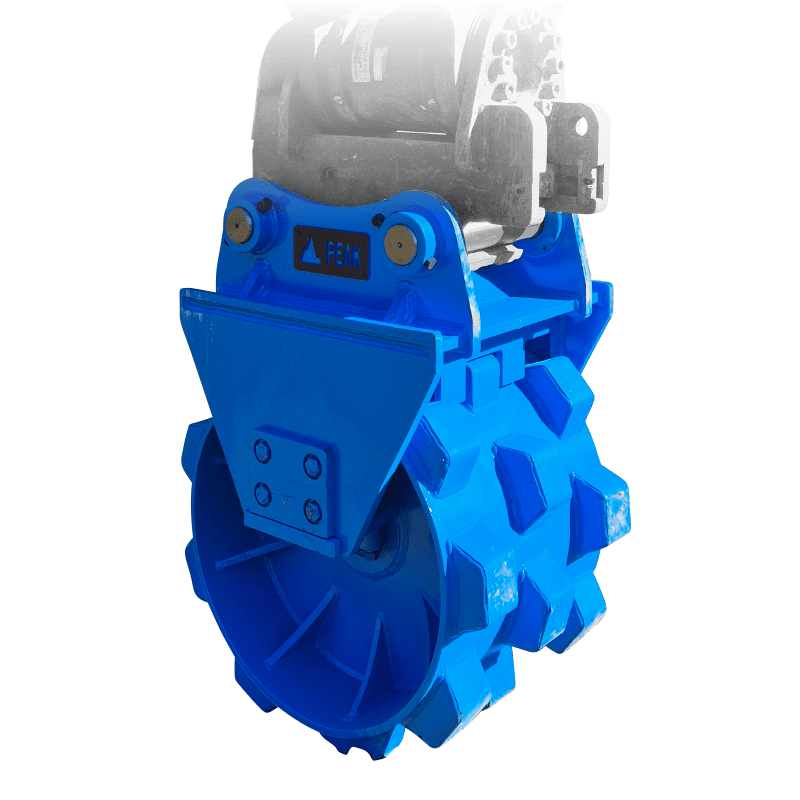
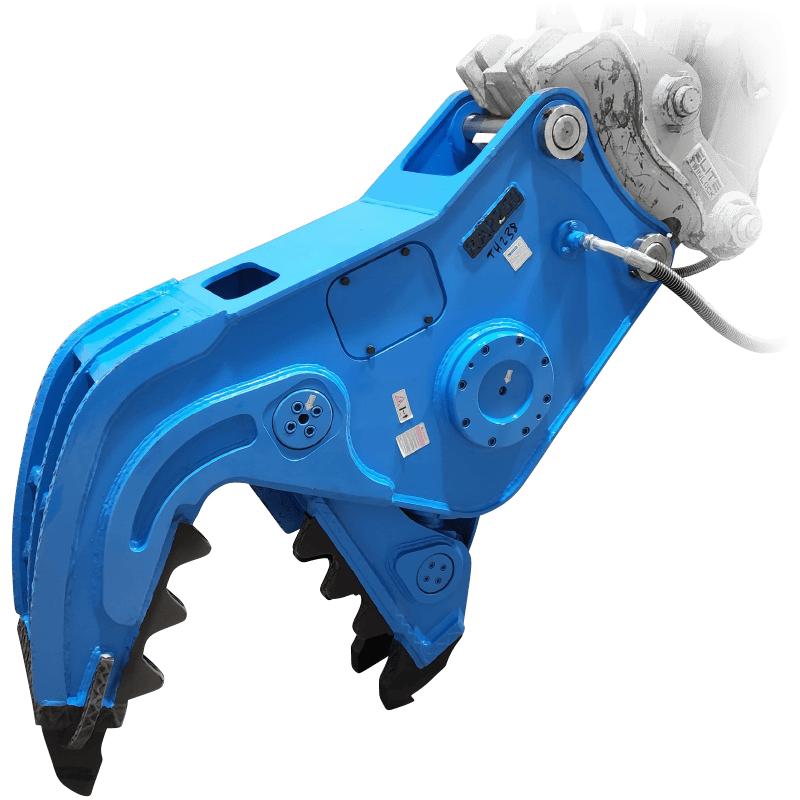
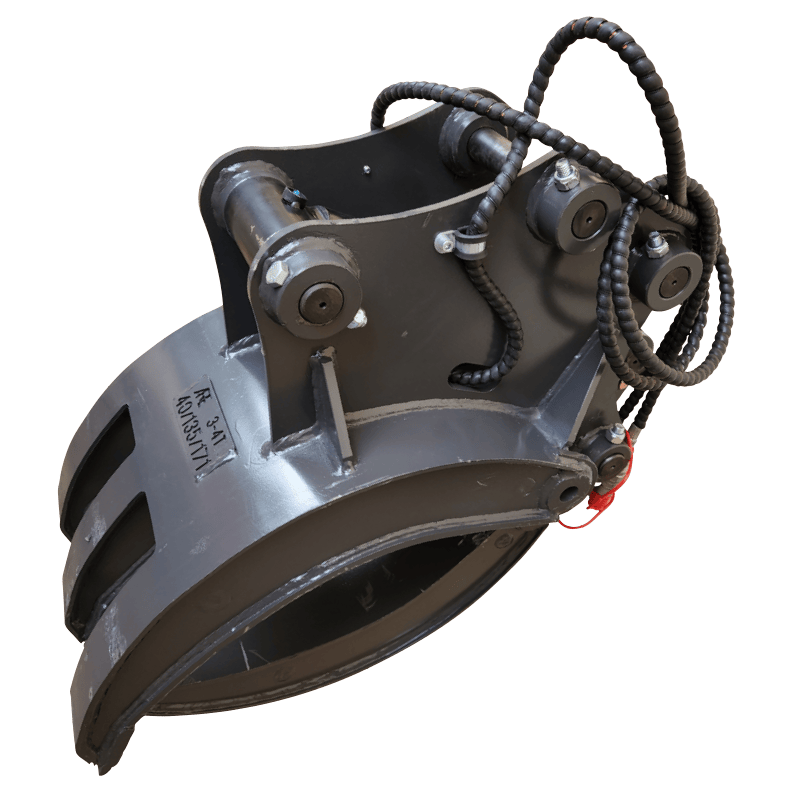
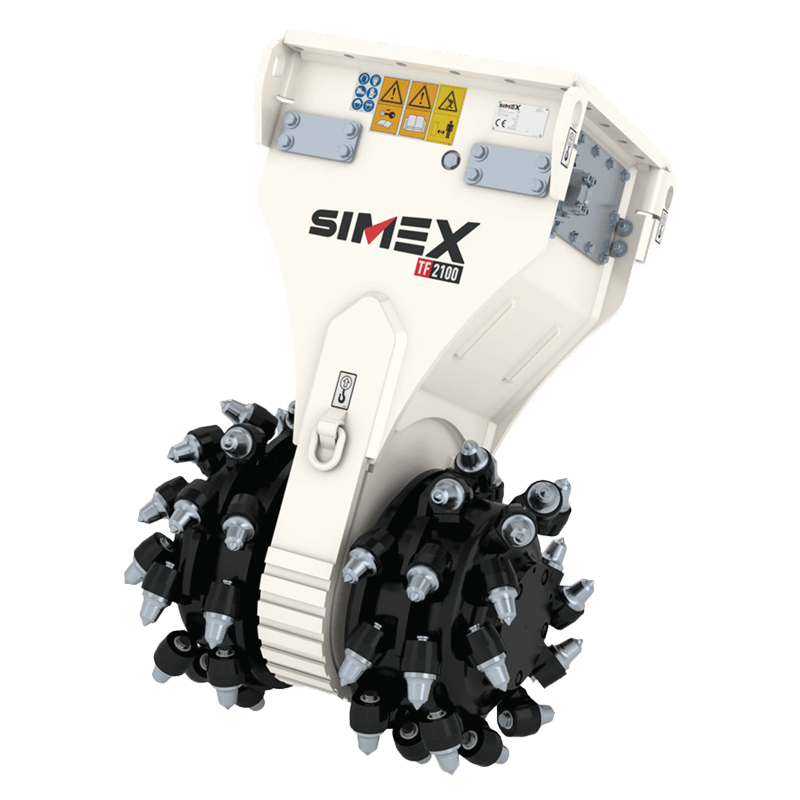
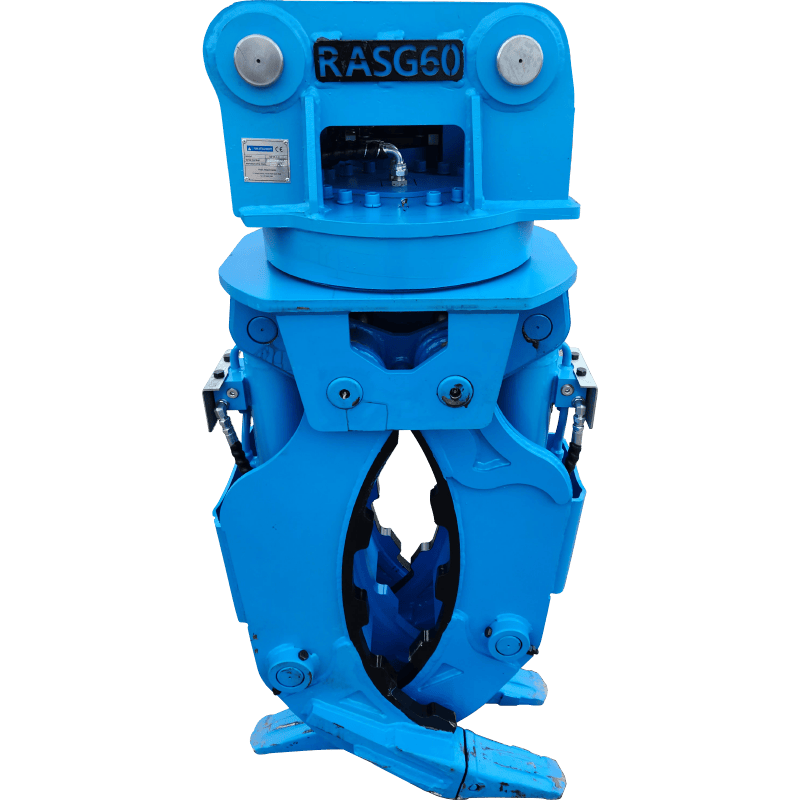
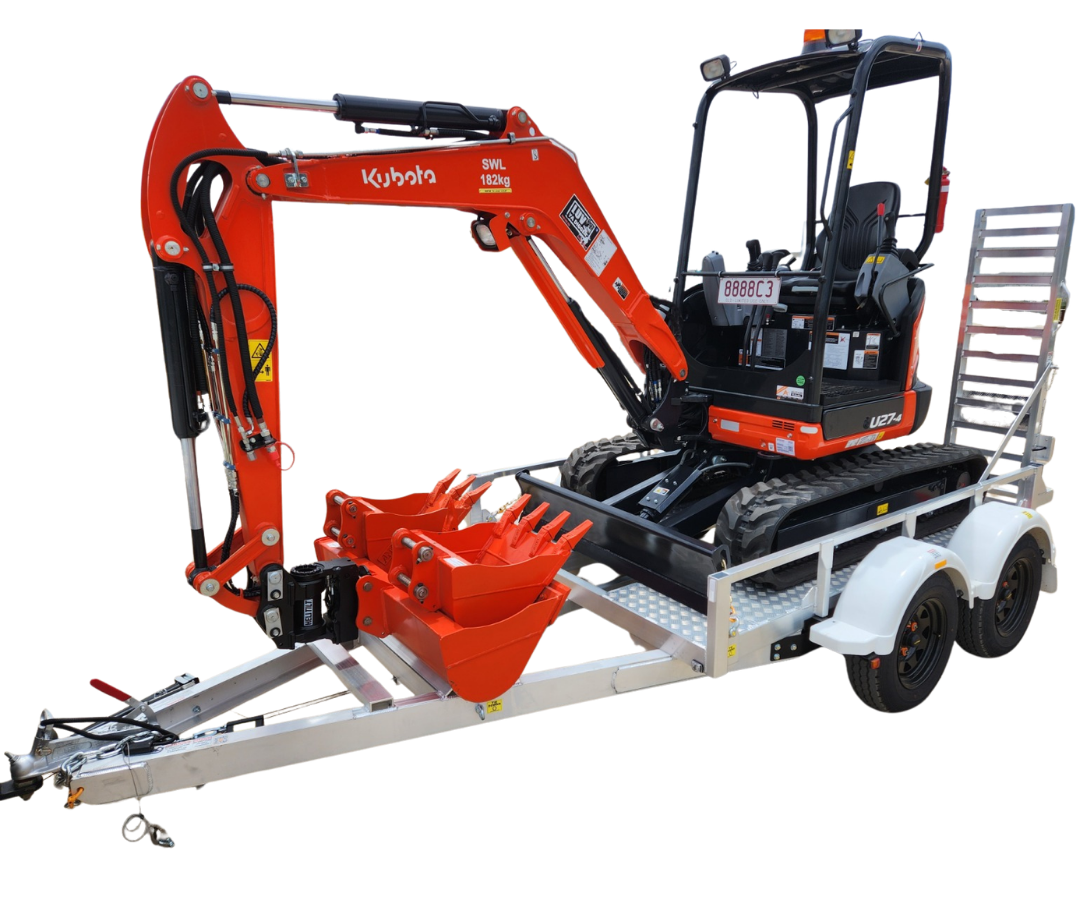
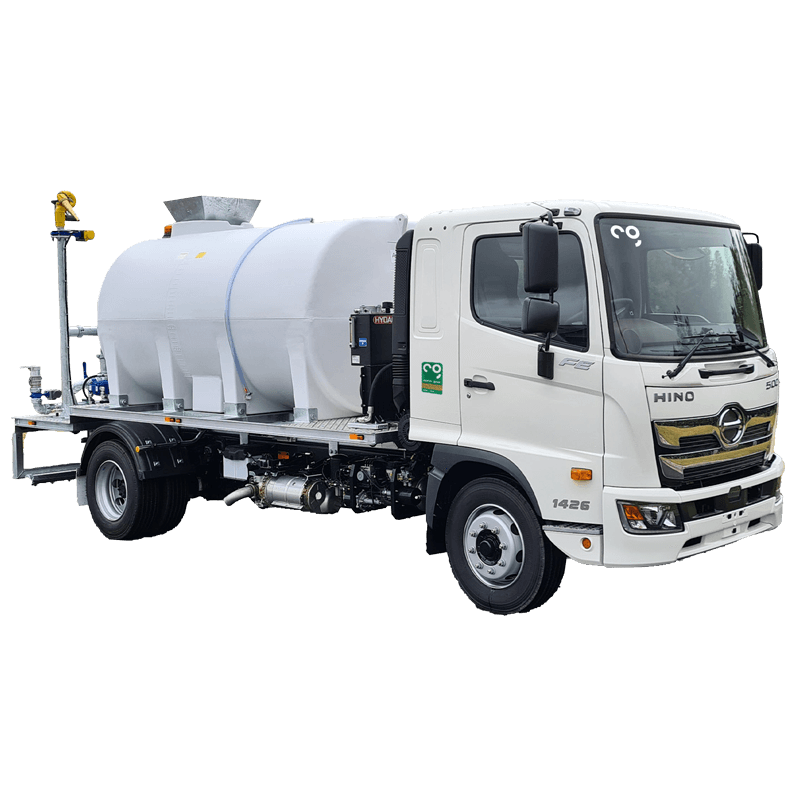
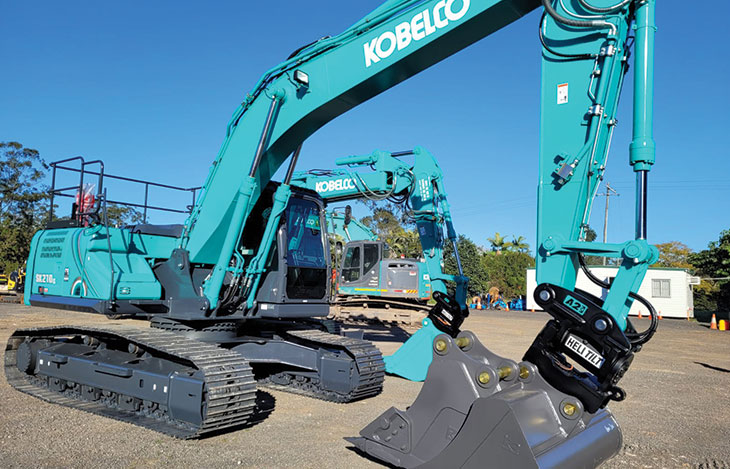
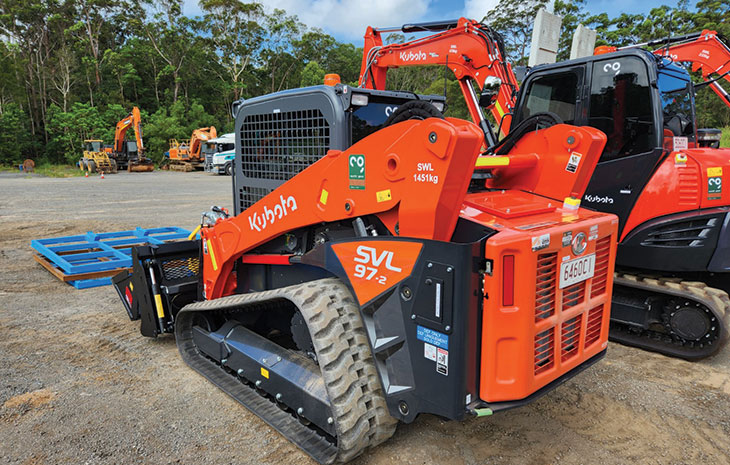
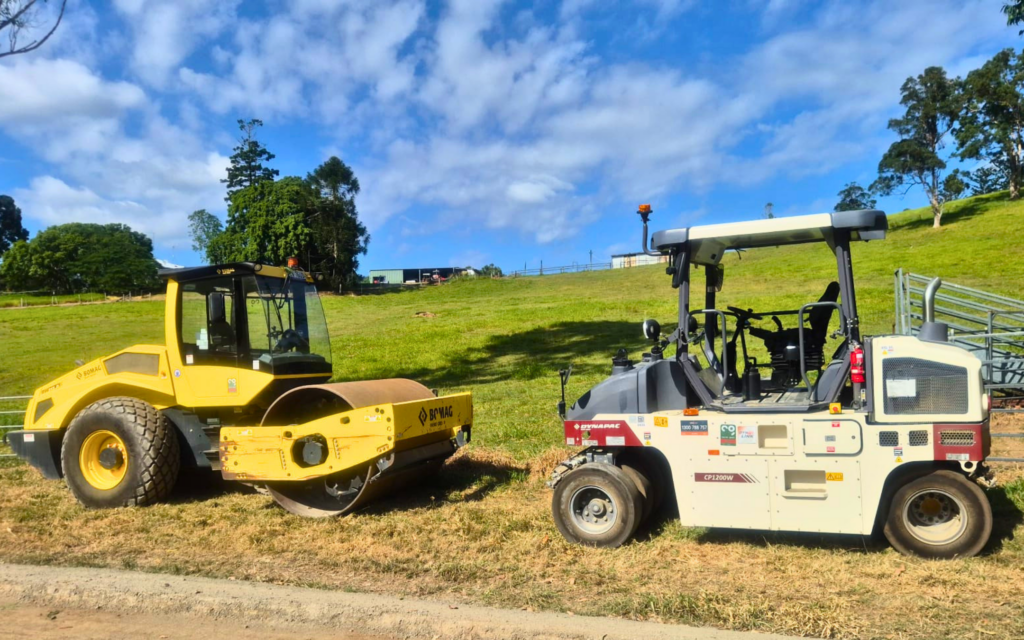
For civil contractors, fleet depth is not just about having a large equipment list but it involves having the right mix of excavators, loaders, rollers, dump trucks, water trucks, attachments and support gear available across the program. It also reflects the supplier’s ability to handle staged changes as the work front moves from clearing to bulk earthworks, trenching, compaction, demolition, loading or final trimming.
This is where the own-versus-hire decision becomes strategic. Contractors may own the core plant they utilise consistently, but use dry hire to cover surge demand, specialised scopes, backup capacity and project-specific requirements without locking capital into underutilised machinery.
A partner with modern, low-hour fleet capacity can help contractors avoid stretching ageing internal plant beyond its reliable operating window. That can be particularly useful when several projects are running at once and the same machine class is needed across multiple sites.
Build a replacement path for critical-path plant
Every project has machines that matter more than others. If a utility vehicle goes down, the site may absorb the disruption. If the primary excavator, loader, grader, water cart or compactor goes down during a critical activity, the impact is different.
Civil contractors should identify critical-path plant before mobilisation and assign a replacement strategy to each item.
For each critical machine, ask:
- What activity does this machine control?
- How long can the site continue without it?
- Is there a standby option?
- Can the hire partner replace it within a committed timeframe?
- Are equivalent attachments available?
- Is transport capacity available if a swap is required?
- Who makes the call to replace instead of repair?
This is where written response commitments matter. A vague promise to “sort it out” is not the same as a defined breakdown response time, escalation pathway and replacement process.
A strong equipment partner should be able to explain exactly what happens when a machine stops at 10am on a production-critical day.
Compliance readiness is now part of delivery readiness
On Tier 1, government and infrastructure projects, plant documentation, risk assessments, service history, inspection records, insurance details, competency requirements and machine-control readiness can all affect whether equipment is accepted onto site.
Missing documents create friction at the worst possible time: after crews, access, floats and work fronts have already been coordinated.
The Infrastructure Australia Market Capacity reports continue to highlight capacity pressure across the national infrastructure pipeline. In that environment, contractors cannot afford preventable gate delays caused by incomplete plant packs.
A professional equipment partner should be able to support the onboarding process with current, organised documentation. For machine-control specified work, that may also include GPS or AMG readiness, calibration support and compatibility with project requirements.
The practical test is not whether the supplier “can get the paperwork.” It is whether the documentation is ready before the machine leaves the yard.
Mobilisation capability deserves more attention
Remember, availability on paper is not the same as availability on site.
For civil contractors working across Brisbane, the Sunshine Coast, regional Queensland and Northern NSW, mobilisation depends on transport planning, float availability, access conditions, permits, site timing and realistic lead times. Oversize and overmass movements can require planning under heavy vehicle access rules, and large civil plant does not move efficiently when transport is arranged reactively.
A good equipment partner understands the mobilisation window, not just the hire start date. They should be asking about site access, float restrictions, staging, unloading areas, induction requirements, attachment movements and pickup windows.
The February 2025 Ollera Creek bridge response is an extreme example of the same principle. The Queensland Reconstruction Authority case study shows how fast mobilisation of crews, plant, rock, sand and concrete helped restore freight access in days, not months. While this was a government and emergency response scenario, the delivery lesson still applies: when resources are already coordinated, the program has options.
Contract terms turn partnership promises into delivery protection
The commercial agreement is where partnership quality becomes enforceable.
Australian dry hire agreements usually allocate risk around breakdowns, misuse, damage waiver scope, off-hire timing, insurance, PPSR interests and liability limits. These clauses can influence both uptime and exposure when something goes wrong.
Contractors should pay particular attention to:
- Breakdown and downtime obligations
- Repair versus replacement process
- Misuse exclusions
- Damage waiver scope and exclusions
- Insurance responsibilities
- Off-hire procedure and when liability ends
- PPSR position on longer-term hires
- Consequential loss and liability limitations
A damage waiver is not the same as insurance, and off-hire timing can matter if the machine is still on site, damaged, inaccessible or awaiting pickup. Resources such as Prosper Law’s guide to equipment hire agreements, Sprintlaw’s dry hire agreement overview and NTI’s guidance on mobile plant hire risks are useful starting points, but contractors should have project-specific exposure reviewed where the risk is material.
The key point is not to negotiate every clause to the brim. It is to make sure the agreement reflects the way the project actually needs support.
Use preferred supply relationships where the program justifies it
Spot hire has its place. It can work well for short-duration, non-critical or highly flexible needs.
But for multi-stage civil works, road upgrades, subdivisions, infrastructure packages and concurrent projects, a preferred equipment partner can reduce friction across the program.
The benefits are practical: priority access, familiar machines, known documentation formats, consolidated invoicing, clearer escalation pathways and a supplier that understands the sequence of works.
Preferred supply also gives contractors time to plan equipment changes before the program needs them. Instead of chasing availability when the next stage begins, the supplier can prepare the machine class, attachments and transport window in advance.
The risk is over-dependence on a single supplier. The answer is not necessarily to fragment every hire. It is to qualify the supplier properly, confirm fleet depth, lock in response commitments and maintain a secondary option for very large or high-risk packages.
What to look for in the right equipment partner
The right partner is not simply the supplier with the lowest rate or the closest yard. For civil contractors, the stronger test is whether the supplier can protect production when pressure increases.
Look for a partner that can demonstrate:
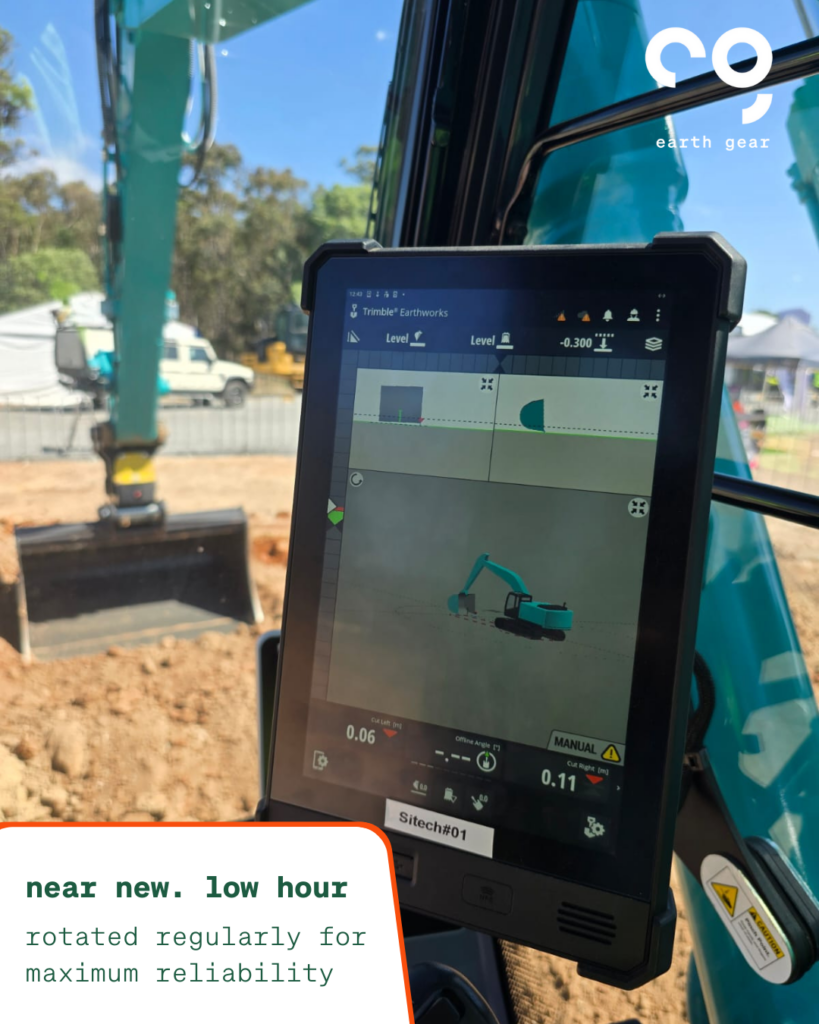
- Modern, low-hour machines suited to civil-scale works
- Owned or controlled fleet depth across relevant machine classes
- Attachment availability matched to the actual scope
- Written breakdown response and replacement processes
- Reliable mobilisation planning across your project locations
- Compliance documentation prepared before site entry
- GPS-ready or machine-control capable options where required
- Commercial terms that are clear before mobilisation
- Account management that suits procurement-led projects
- A team that understands civil construction timelines, not just hire dates
This is the standard contractors should expect from a serious civil dry hire partner. It is also the role earth gear is built to support across Brisbane, the Sunshine Coast, Queensland and Northern NSW, with late-model machines, attachments and responsive support for professional civil and infrastructure crews.
The delivery advantage is decided before mobilisation
Queensland’s infrastructure pipeline is putting pressure on labour, materials, plant availability and subcontractor coordination. Reports from Infrastructure Australia, the Queensland Audit Office and industry bodies continue to point to capacity constraints across the sector.
In that market, contractors who leave plant supply to the spot market carry more uncertainty than they need to.
The stronger approach is to treat equipment supply as a delivery system: prequalify the partner, verify the fleet, test the paperwork, map critical-path machines, clarify replacement commitments and make the contract match the operational risk.
Civil contractors do not need another supplier who can quote a machine.
They need an equipment partner who helps keep the program moving.