

On civil projects, plant decisions sit at the centre of productivity. They determine how consistently a project progresses across shifts, work fronts, and changing site conditions.
As project and plant managers plan for continuity, they expect equipment to perform under sustained load, across long hours and variable environments, without introducing disruption into sequencing. When that expectation holds, production remains predictable. However, without a clear understanding of why near-new equipment matters, planning can overlook a critical factor in avoiding downtime — the true cost of breakdown.
Near-new civil equipment hire provides a way to manage that risk early, strengthening performance consistency and reducing exposure to unplanned disruption across the project lifecycle.
Why downtime costs more than most civil projects plan for
On large civil sites, downtime disrupts systems rather than isolated tasks.
When a machine stops, the immediate loss is visible. What follows is less direct but more significant. Work sequences fall out of alignment, dependent crews adjust their pace, and production becomes uneven across the site.
As this develops:
- machines continue to accrue hours without corresponding output
- labour remains engaged without productive contribution
- downstream activities shift, often requiring re-coordination
The effect is cumulative. Recovery rarely occurs within the same timeframe as the delay, and lost production tends to extend into later stages of the project.
On large infrastructure projects, even short delays carry measurable financial consequences. Research by Bent Flyvbjerg and co-authors shows that cost escalation increases by approximately 4.64 percentage points per additional year of delay, equating to around $46M annually on a $1B project. At megaproject scale, delays can reach the order of $1M per day. (Flyvbjerg et al.)
In this context, downtime is not simply a maintenance issue. It is a direct contributor to schedule risk and cost exposure.
Failure risk accelerates with hours
Equipment reliability follows a predictable pattern. Failure risk remains relatively low early in the machine’s life, then increases as hours accumulate.
Industry lifecycle data using B20 and B50 benchmarks shows that failure probability increases materially as machines move through mid-life into higher operating hours. For example, excavator engines shift from roughly 20% failure incidence around 7,500 hours to around 50% by 10,000 hours, indicating a clear acceleration in failure likelihood in later-life ranges. (Flyvbjerg et al.)
For project teams, this creates a practical decision point. Positioning equipment earlier in its lifecycle reduces the likelihood of encountering high-risk failure zones during critical project phases.
Where equipment performance breaks down — and how near-new reduces that risk
Performance issues on civil sites develop through sustained load, extended operating hours, and environmental exposure. The distinction between older equipment and near-new machines becomes clear in how systems respond under these conditions.
Hydraulic systems: sealing integrity under sustained load
Hydraulic systems depend on precise sealing to maintain pressure. As machines accumulate hours, seals degrade and tolerances shift.
Under sustained load, this leads to:
- pressure inconsistencies
- reduced responsiveness
- increased likelihood of leaks
Once performance drops, operators compensate. Cycle times increase, and efficiency declines. In more advanced cases, the machine requires shutdown for repair.
Near-new machines operate with sealing systems still within optimal tolerances. Pressure remains stable under load, allowing consistent performance across long shifts. This reduces the likelihood of performance degradation that leads to downtime.
Electrical systems: reliability of integrated controls
Modern civil equipment relies on sensors, wiring, and control systems to function correctly. These systems are sensitive to wear, vibration, and environmental exposure.
In higher-hour machines, degradation can result in:
- intermittent faults
- sensor failures
- system shutdowns
These failures often prevent operation entirely, regardless of mechanical condition.
Near-new equipment maintains electrical integrity. Systems remain stable, reducing fault frequency and improving reliability, particularly on sites with continuous utilisation.
Cooling systems: maintaining performance across long shifts
Cooling systems play a critical role in sustaining machine performance. As components age, airflow efficiency and thermal regulation decline.
Under demanding conditions, this can lead to:
- overheating
- reduced engine efficiency
- unplanned shutdowns
Near-new machines maintain effective cooling performance. Systems operate within designed temperature ranges, supporting consistent output and reducing interruption risk.
Structural wear: precision and control over time
Pins, bushings, and structural components degrade gradually. As wear increases, machine movement becomes less precise.
This affects:
- attachment performance
- operator control
- overall productivity
Near-new equipment retains structural integrity, allowing operators to work with greater accuracy and consistency. This reduces variability and supports stable production.
Reducing cost starts with the right equipment
Selecting near-new civil equipment hire reduces exposure to failure risk and improves consistency across the site.
However, owning and maintaining a near-new fleet across multiple projects is capital-intensive. For many contractors, this creates a trade-off between equipment condition and financial flexibility.
Dry hire resolves that trade-off. It allows contractors to access latest equipment aligned with project requirements without carrying long-term ownership and maintenance burdens.
Reducing cost starts with the right equipment—low-hour, near-new machines that deliver the operational consistency required to keep large-scale civil projects on schedule.
Read more about the benefits of near-new, low-hour earthmoving machines for dry hire.
Why earth gear’s near-new equipment hire is the right answer for your project.
As your dry hire partner, earth gear structures its fleet and service approach around one priority — keeping projects moving.
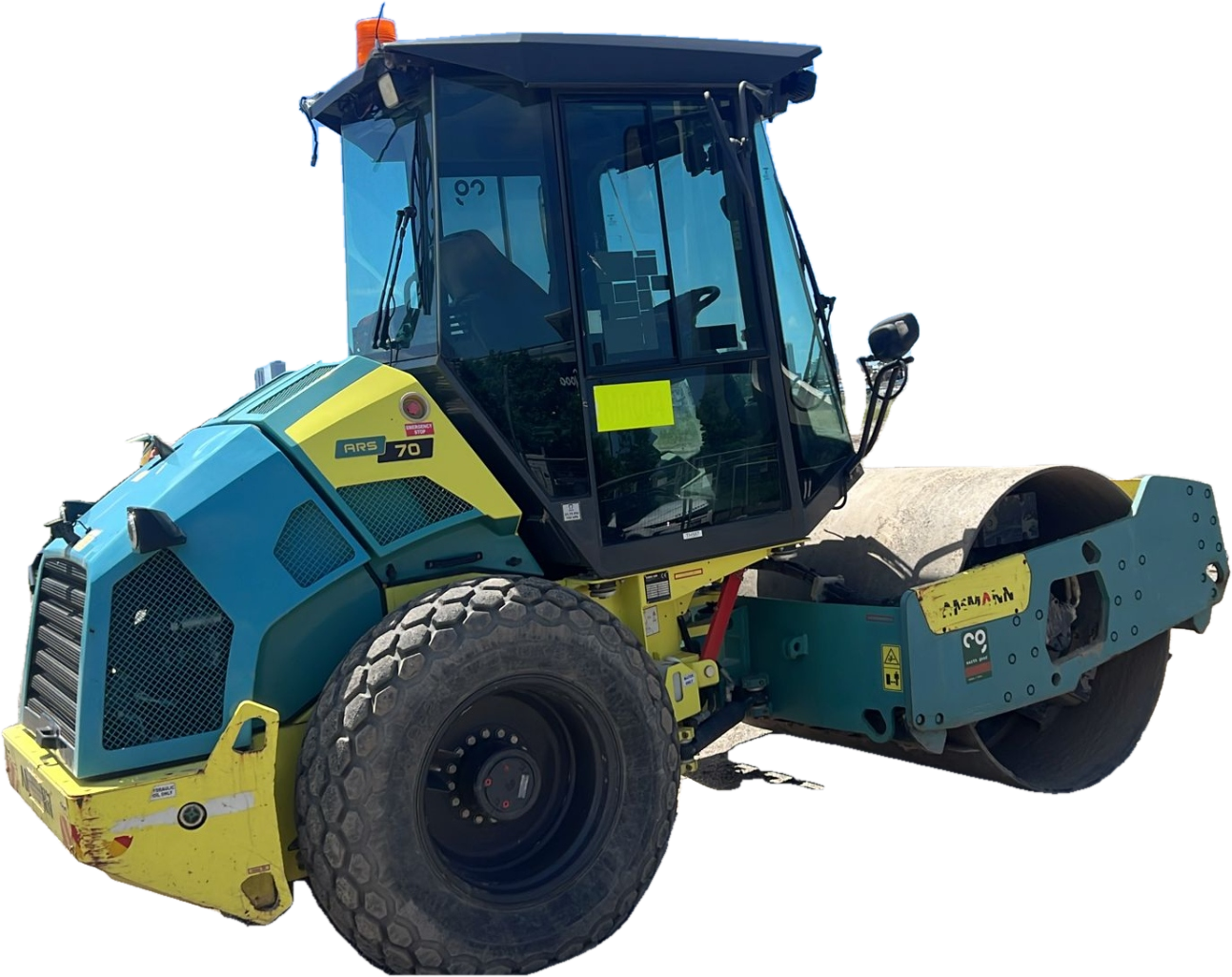
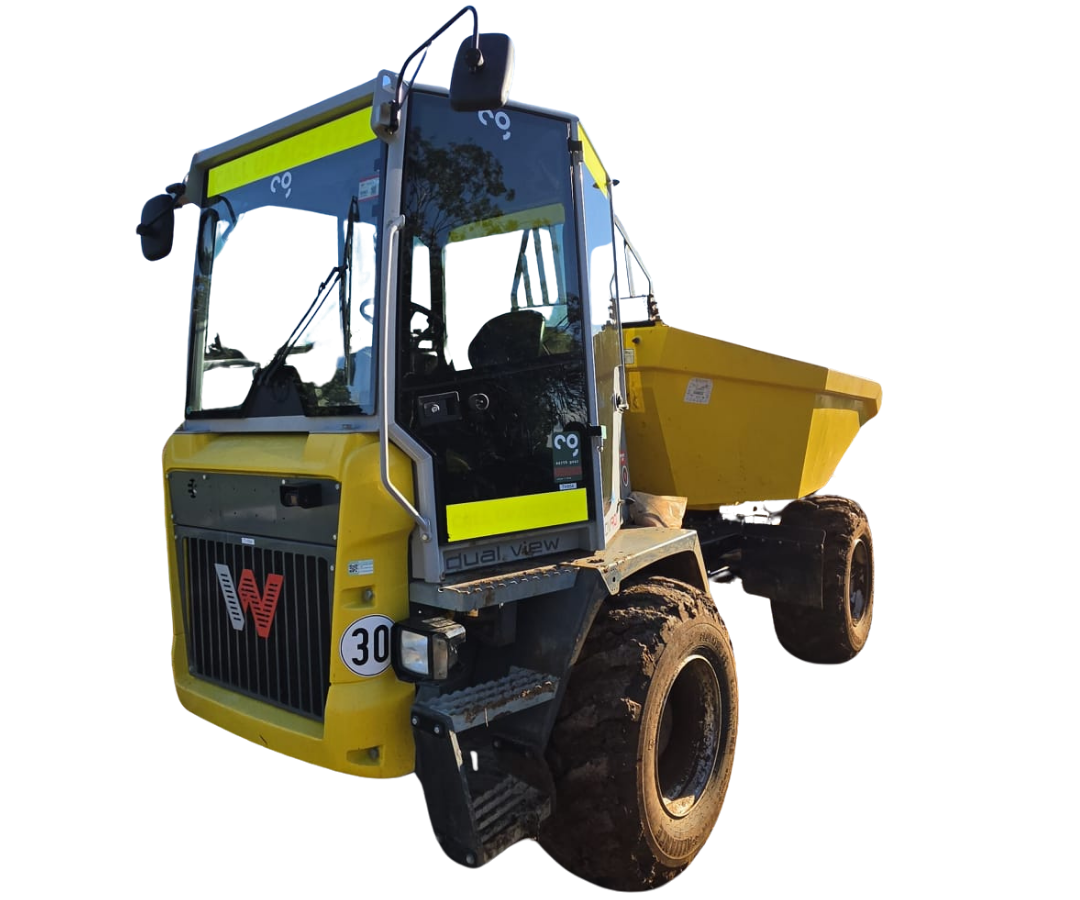
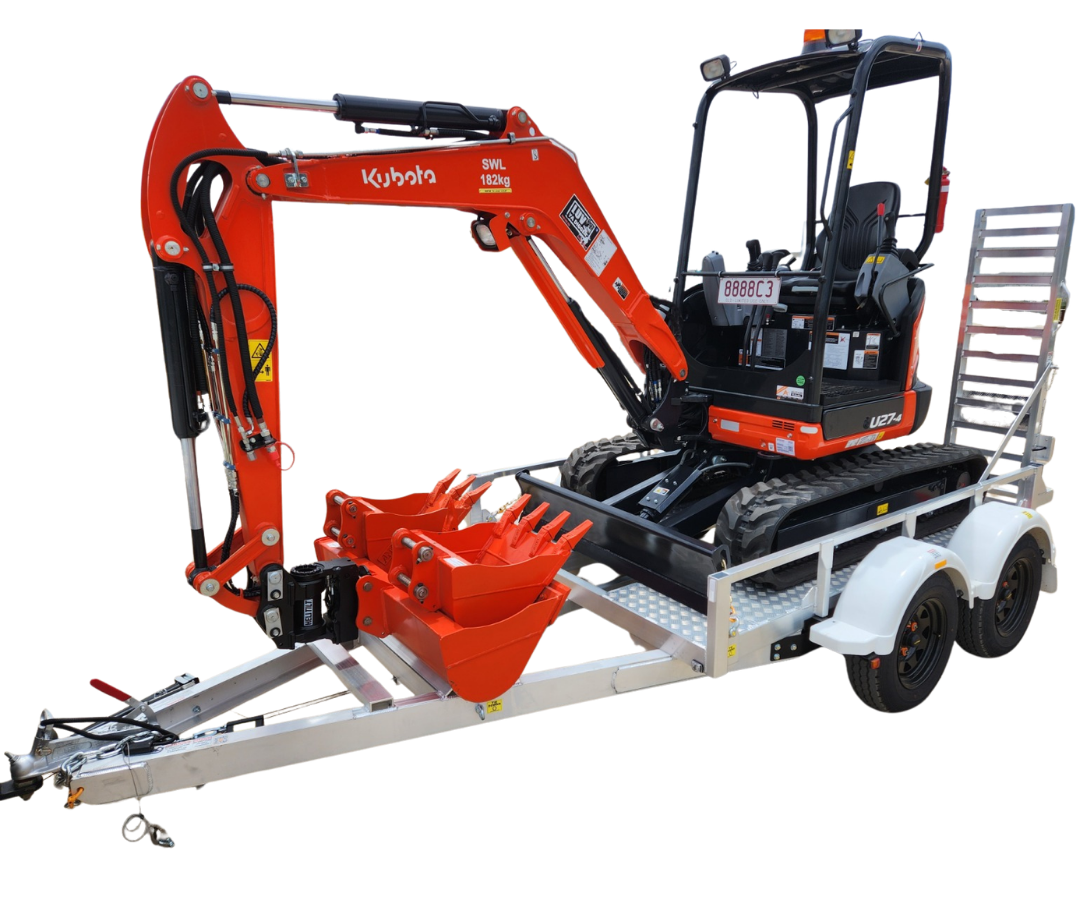
We supply near-new, low-hour equipment designed to perform consistently across demanding civil environments. Machines arrive site-ready, allowing crews to maintain productivity without adjusting for equipment limitations.
We also recognise that uptime depends on how quickly issues are resolved.
That’s why we operate with:
- a 4-hour breakdown response commitment
- a 1-hour delivery commitment for replacement equipment
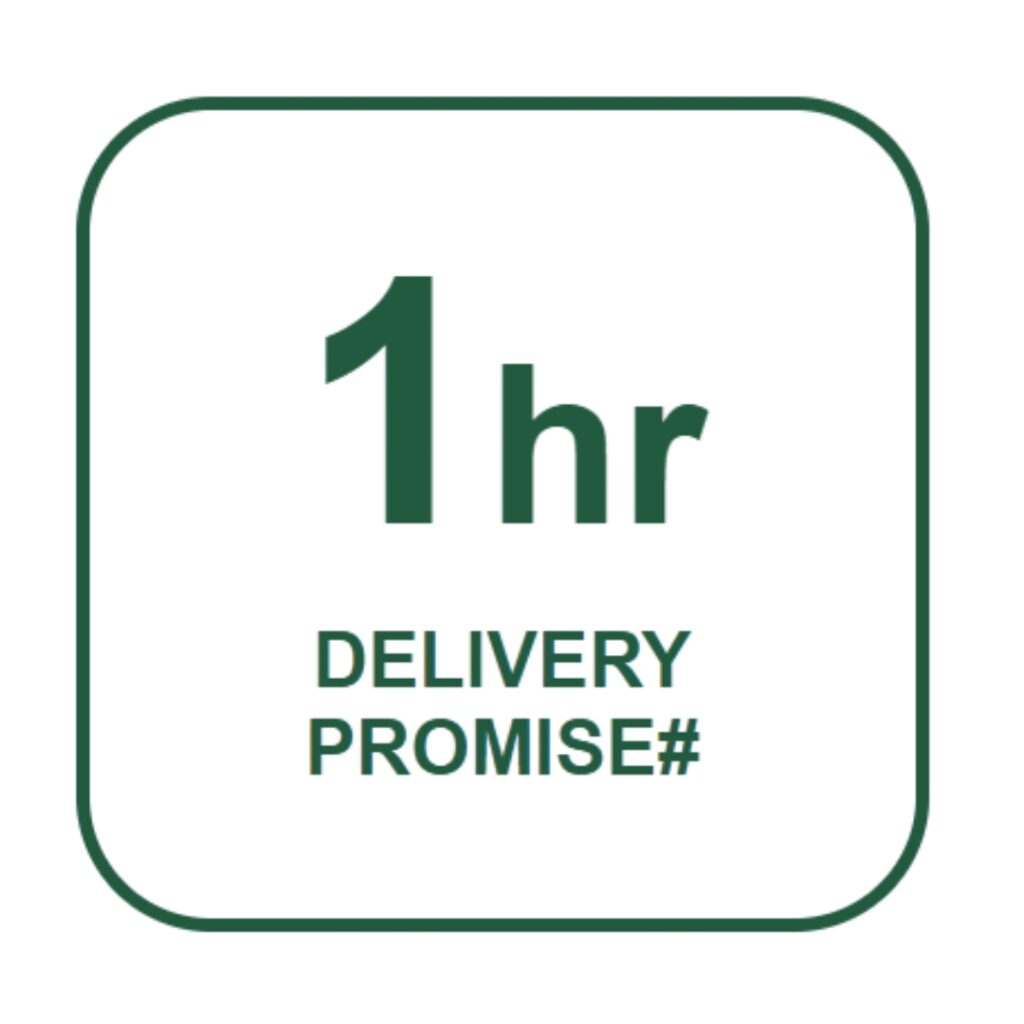
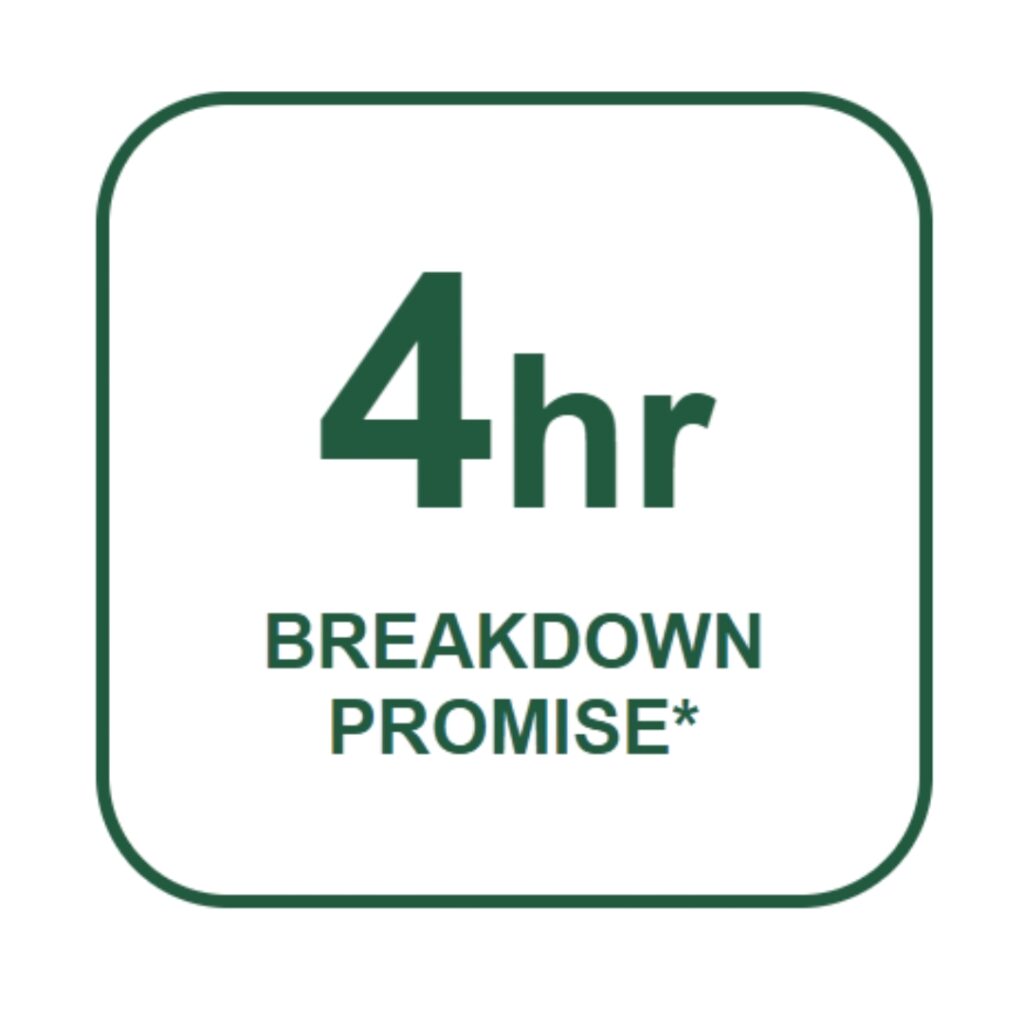
These response times are designed to minimise disruption. When an issue occurs, restoring productivity becomes the priority.
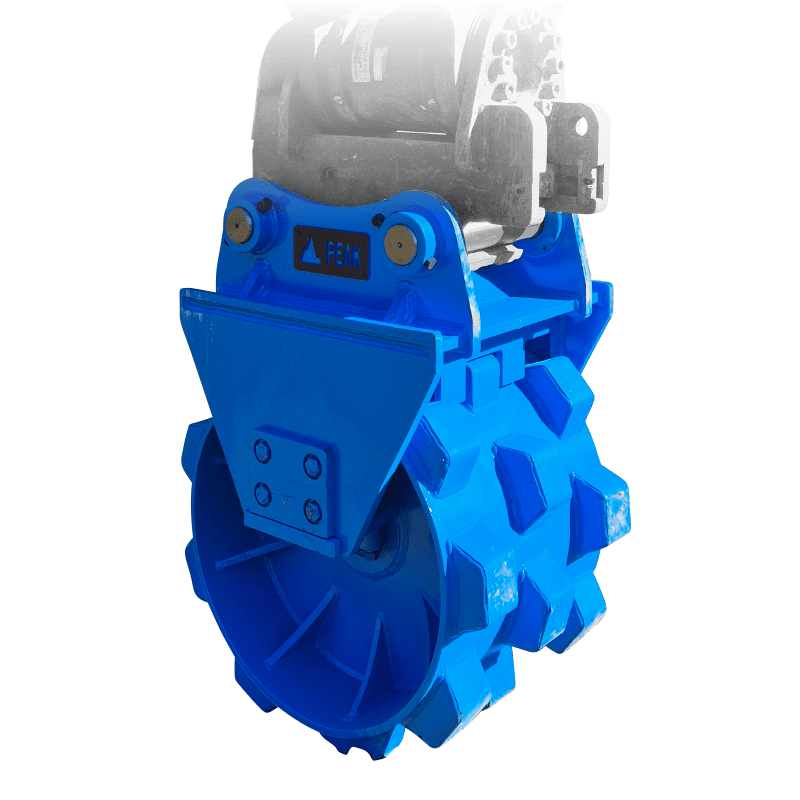
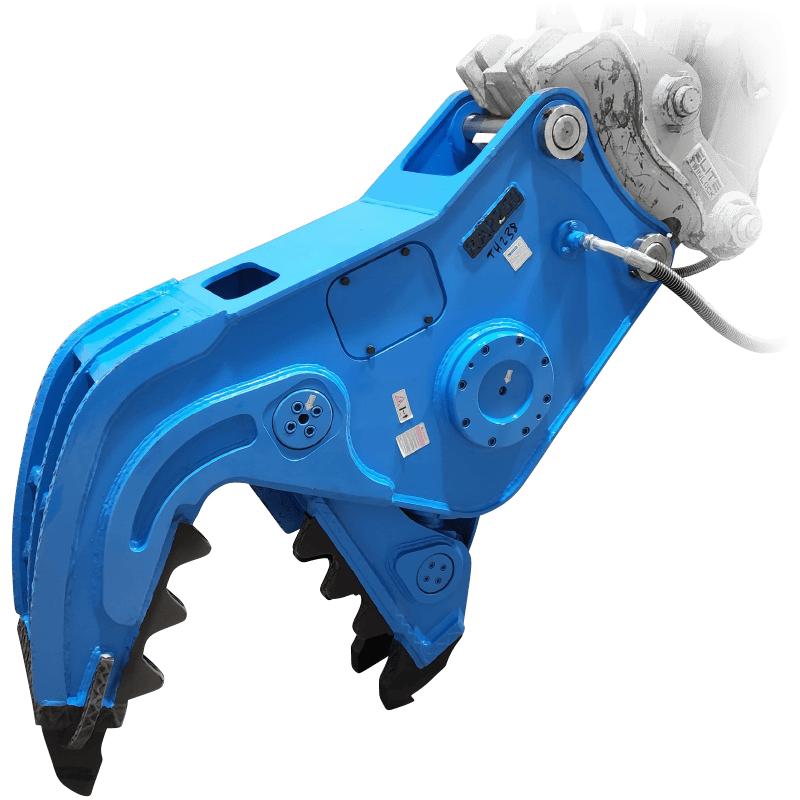
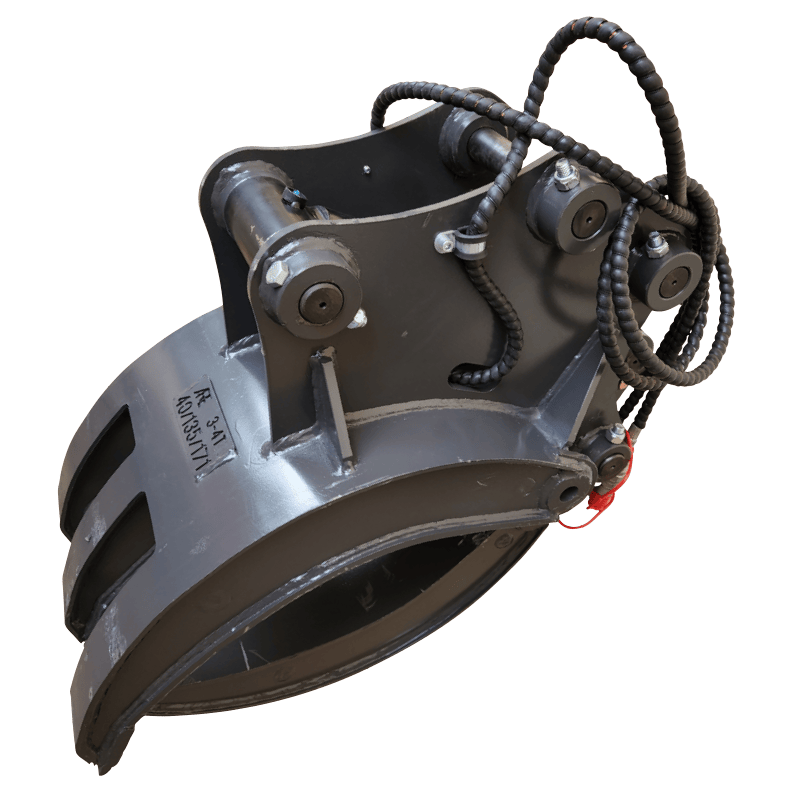
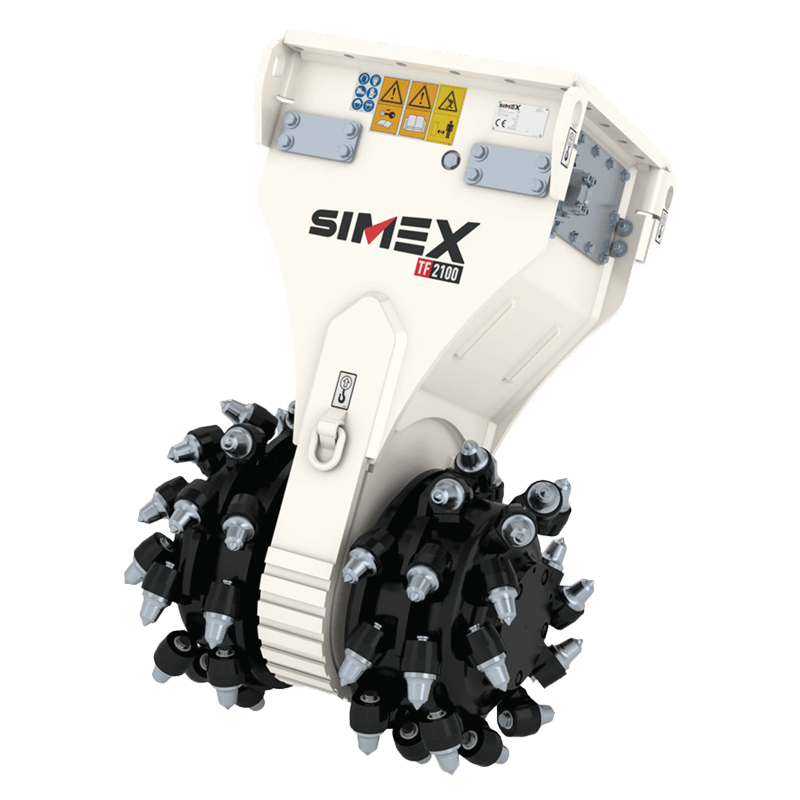
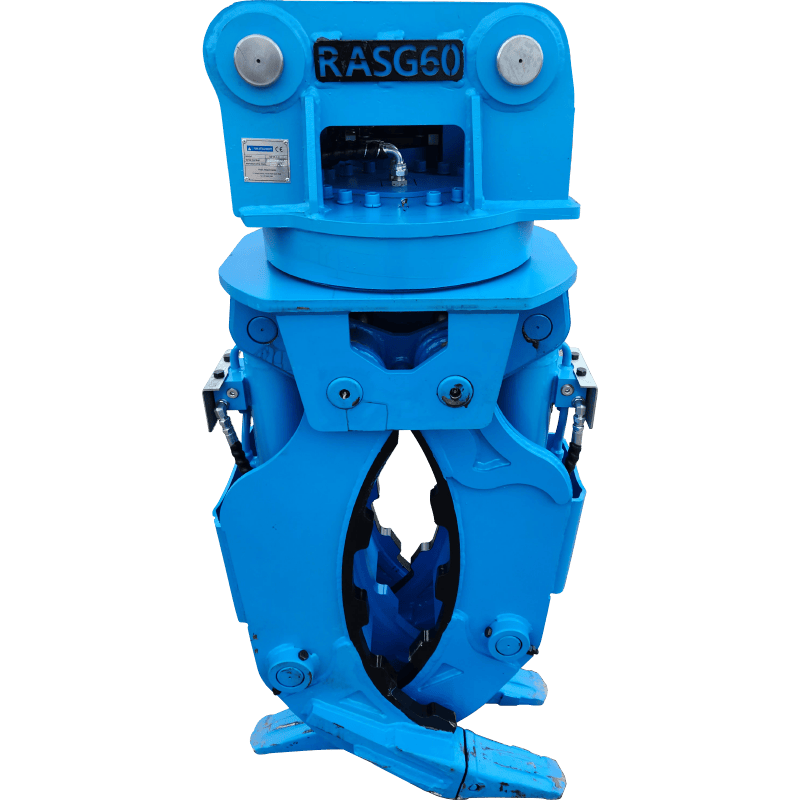
In addition, we provide a full range of attachments to support different site conditions and operational requirements. Having the right setup available from the outset allows crews to adapt without delay.
Across Brisbane, the Sunshine Coast, and Northern NSW, our role is to supply equipment that supports continuity and reduces downtime risk.
Don’t just plan your next project—equip it for success. Partner with earth gear for reliable machinery that works as hard as you do. Contact us.